
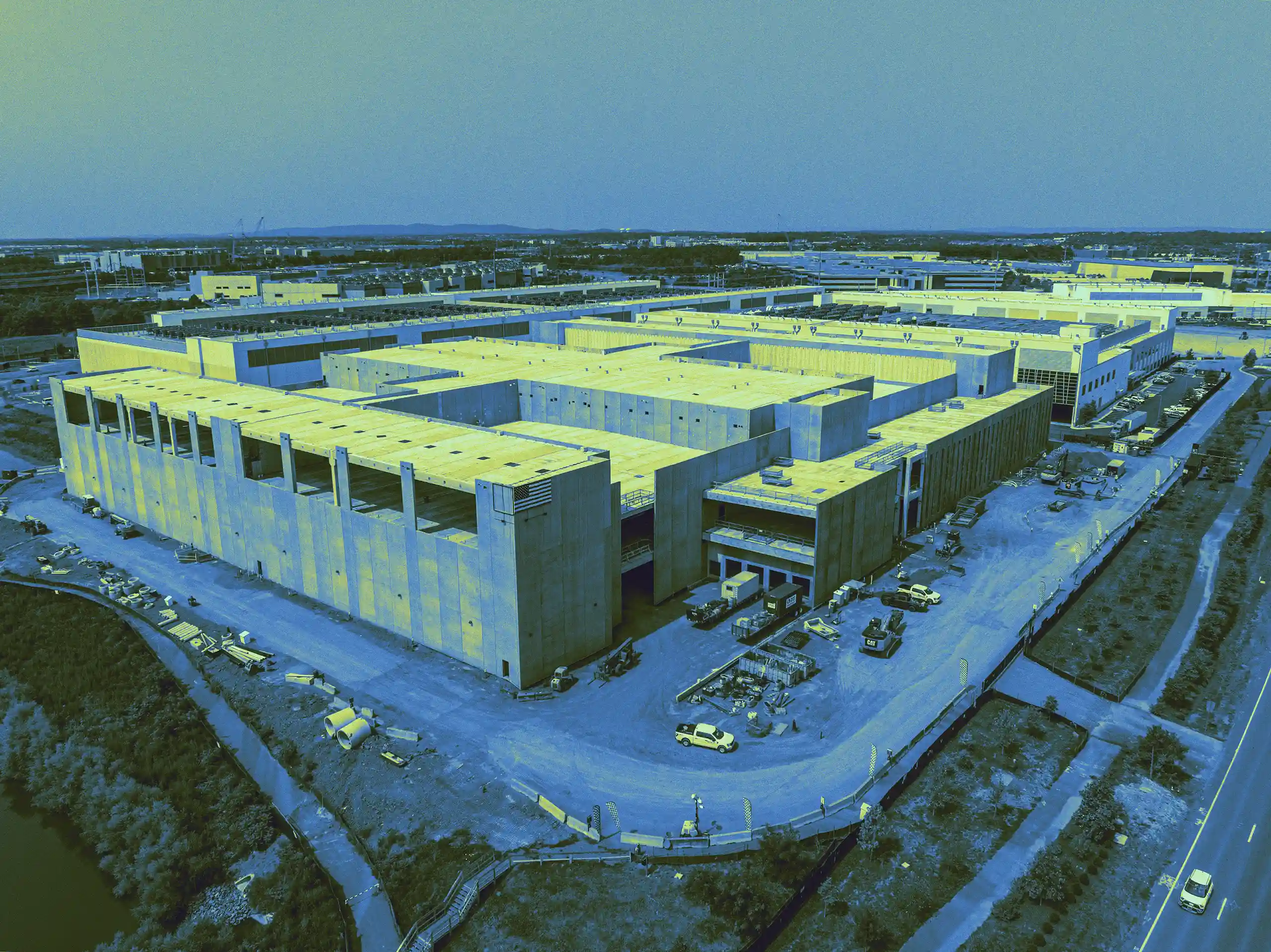
Mapping local, state, and federal policy interventions to stop or restrict data center development.
Introduction
This policy toolkit is primarily geared toward stopping, slowing, and restricting rampant data center development in the US at the local and state level. Our approach recognizes the extractive relationship between data centers and local communities: Hyperscale data centers deplete scarce natural resources, pollute local communities and increase the use of fossil fuels, raise energy costs for everyday ratepayers, pull tax dollars away from community needs, and fail to deliver on overpromised economic developments.
This toolkit is intended to help organizers and policymakers identify the strongest possible actions. Recognizing that the North Star policy may not always be feasible, we also offer scaffolded protections that put people above corporate profits.
Please reach out to the AI Now Policy Institute at [email protected] with questions or requests for policy support in your locality or state. Download the toolkit as a PDF here.
Local Interventions
Local policy interventions to stop, slow, and restrict rampant data center development at the town, city, and county level.
State & Regional Interventions
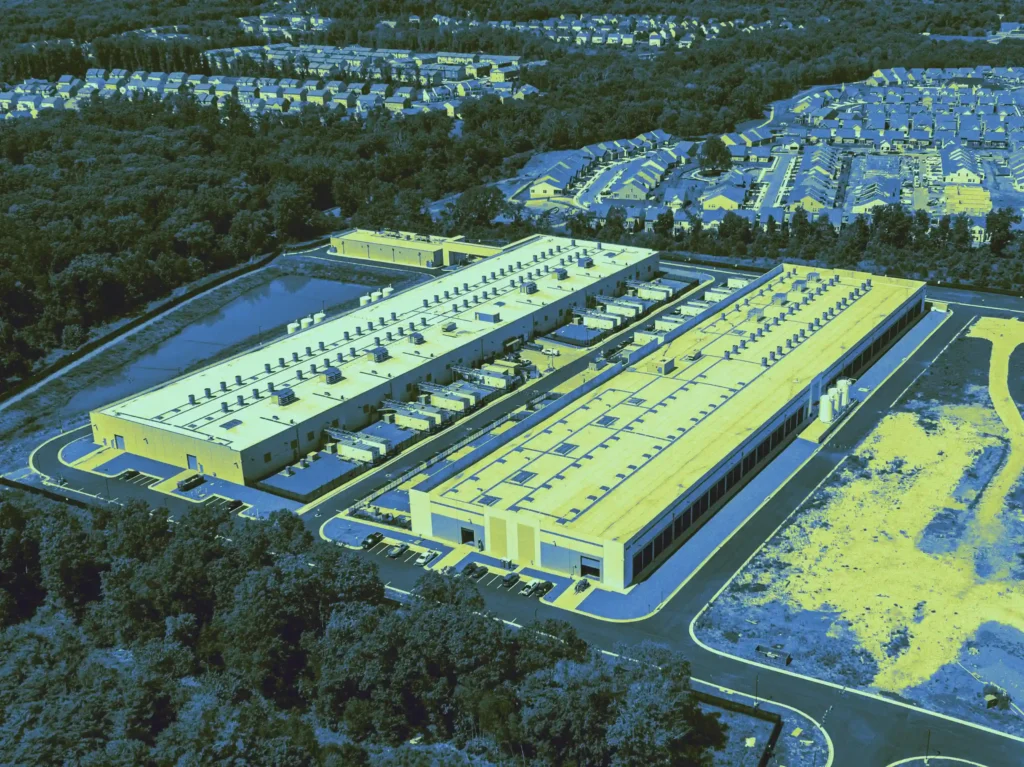
State and regional policy interventions to stop, slow, and restrict rampant data center development.
Federal Interventions
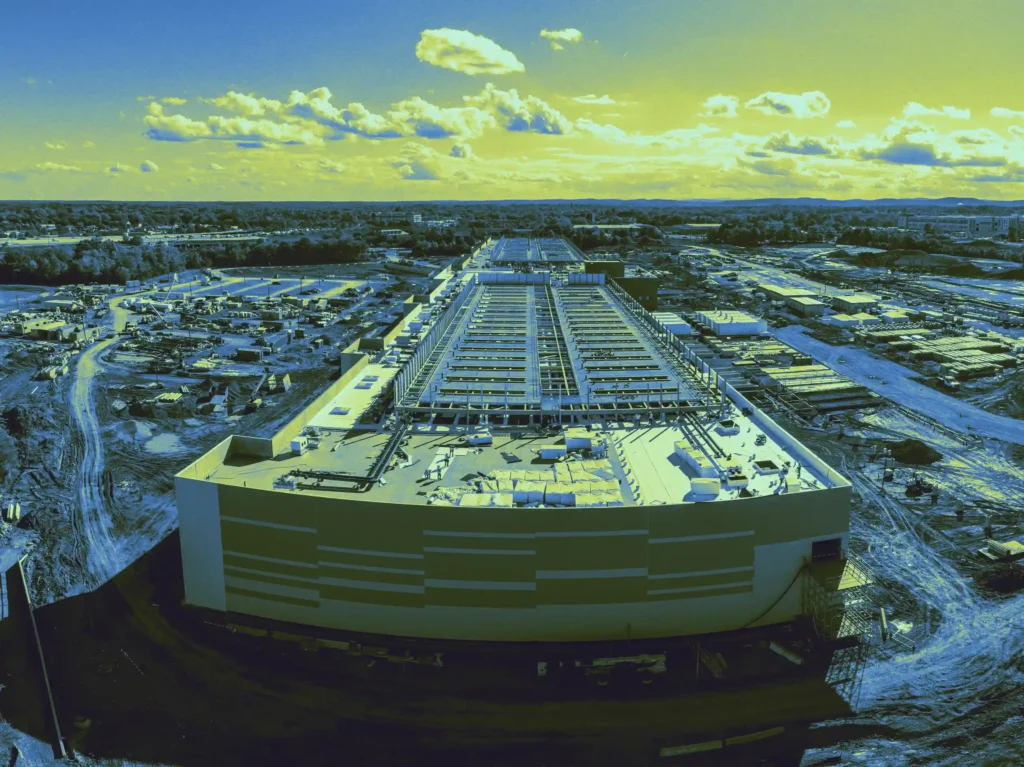
Federal policy interventions to stop slow, and restrict data center development
The Problem of Data Centers
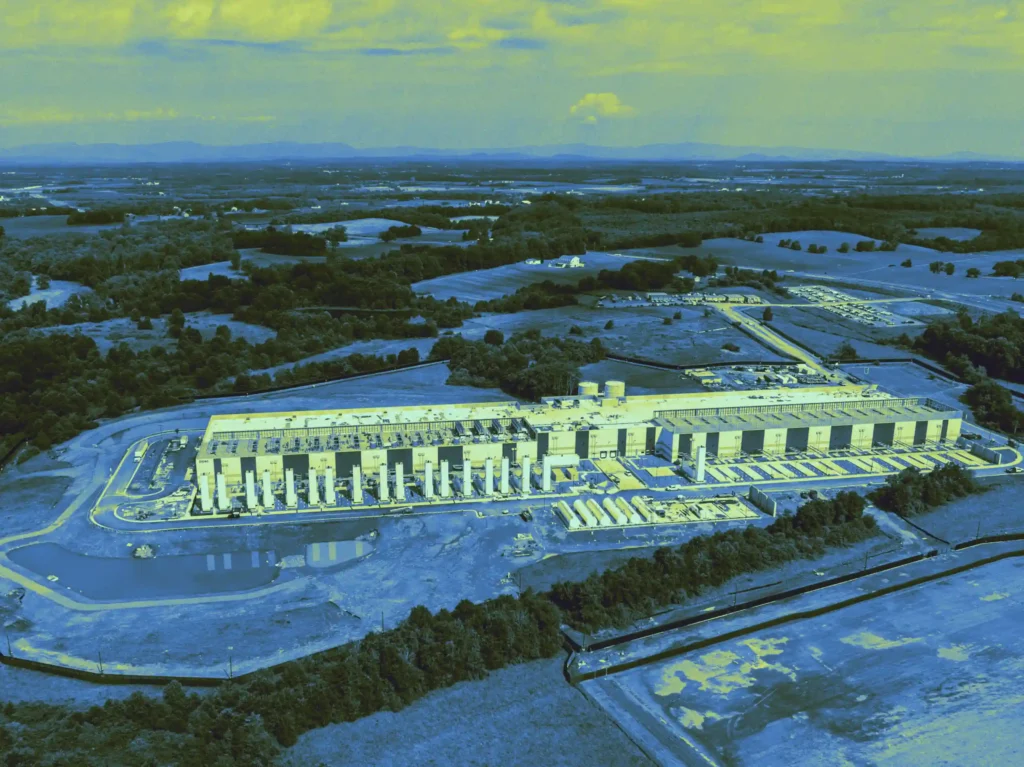
Data center construction has exploded in the US over the past few years both in numbers and in scale of facilities, driven by Big Tech’s speculative AI “boom” and its close ties to the fossil fuel industry, military and defense industries, and cryptocurrency mining. Contrary to data center backers’ claims that this expansion serves everyday people, there is a deep lack of evidence of benefits—and even of any justification for the demand.
The data center build-out reveals who truly benefits from the acceleration of AI across all sectors of society, and who is left to pay the price. More than a decade of evidence and community experience shows that data centers, particularly hyperscale facilities, operate as tangible sites of corporate extractivism, in the form of empty promises made to localities that are trying to survive austerity and legacies of deindustrialization. This rampant expansion has deep consequences for local communities, our regional infrastructure, our scarce natural resources, our public budgets writ large, and our futures.
Read the full guide, The Problem of Data Centers, here.
How to Use the Toolkit
The toolkit provides concrete policy recommendations, primarily targeted toward jurisdictions in the US that do not yet have a data center in their community, or that are working to strengthen existing legislation or regulation to account for new hyperscaler proposals. The resource is organized into local, state and regional, and federal policy recommendations to stop and restrict data center development.
What to know:
- The toolkit is intended as a menu of options to be analyzed in relation to local and state conditions.
- Not every intervention will be feasible in every locality, state, or region due to differences in local and state laws, existing regulation, and political conditions.
- The issue-specific recommendations (water, energy, air quality, and so on) can be used both to limit the impacts of data centers and to act as mechanisms to restrict data center development when they do not work in the community’s best interest.
- We provide examples of existing or proposed policies, with notes indicating that they are very strong, strong, or weak. Please note that inclusion in this toolkit does not mean we endorse the example or specific language used. In cases where there is no strong example, we have consulted experts and community advocates to identify the North Star policy action, threshold, or quantitative targets.
Issue Areas
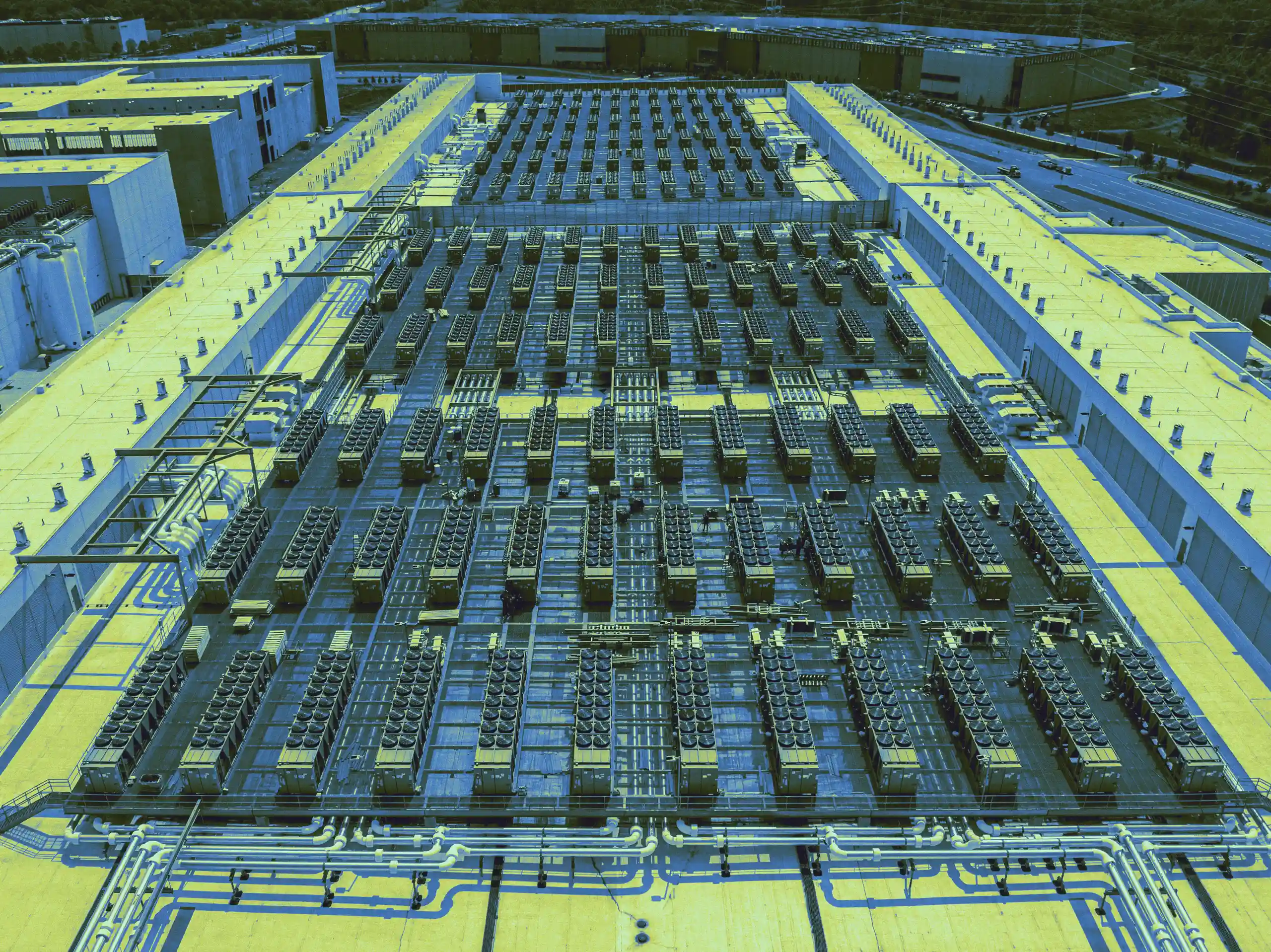
AI Regulation
Interventions designed to regulate AI, ensuring that if data centers are built they cannot do so in service of technology that harms the public.
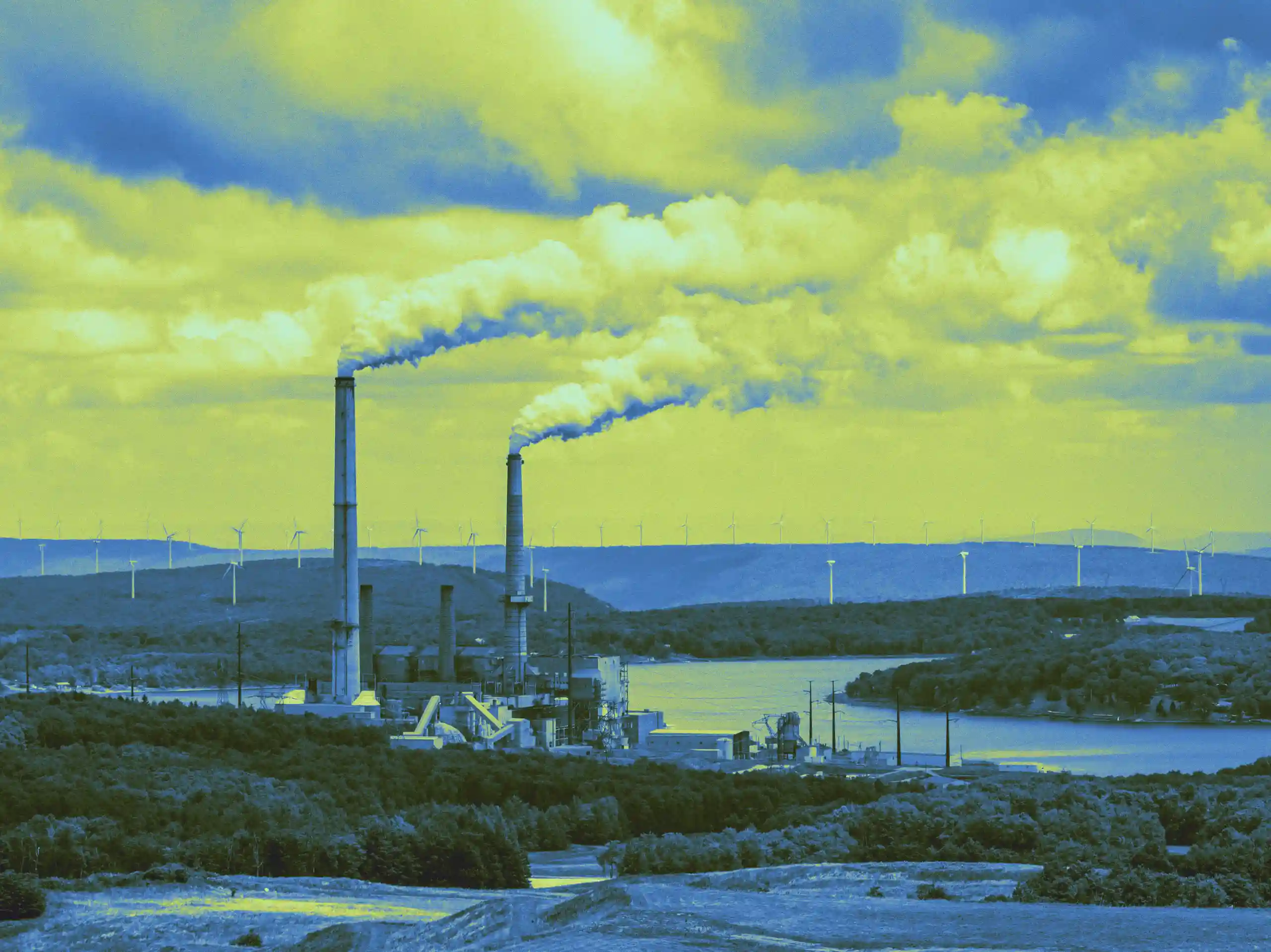
Air Pollution
Measures to protect community members from the harmful and irreversible effects of data centers on air quality and community health.
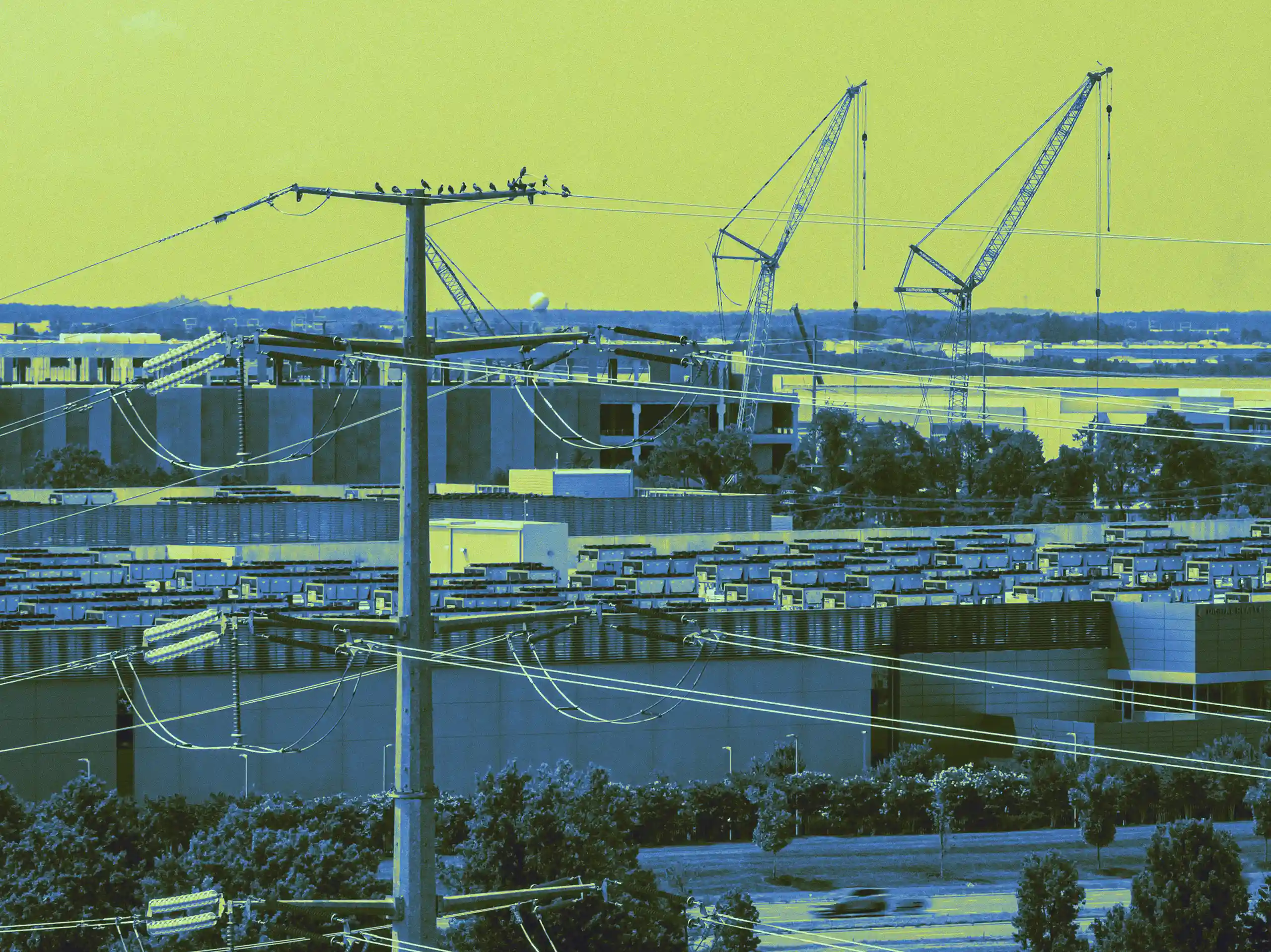
Bans and Moratoriums
Interventions to target data center development at the approval stage, providing critical pathways to stop or delay construction before it can begin.
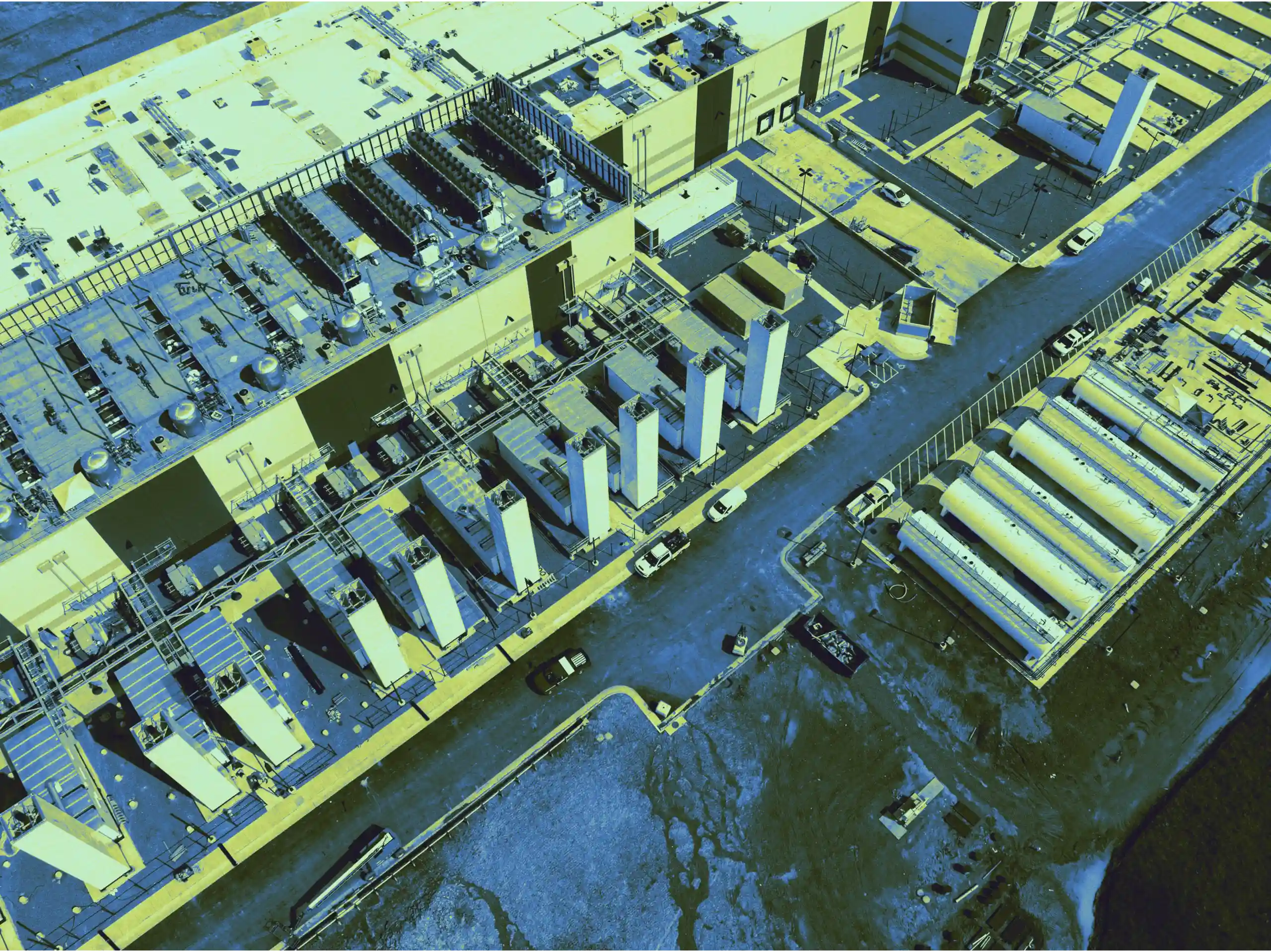
Corporate Power
Recommendations curbing the corporate influence on key institutions and processes governing data center development.
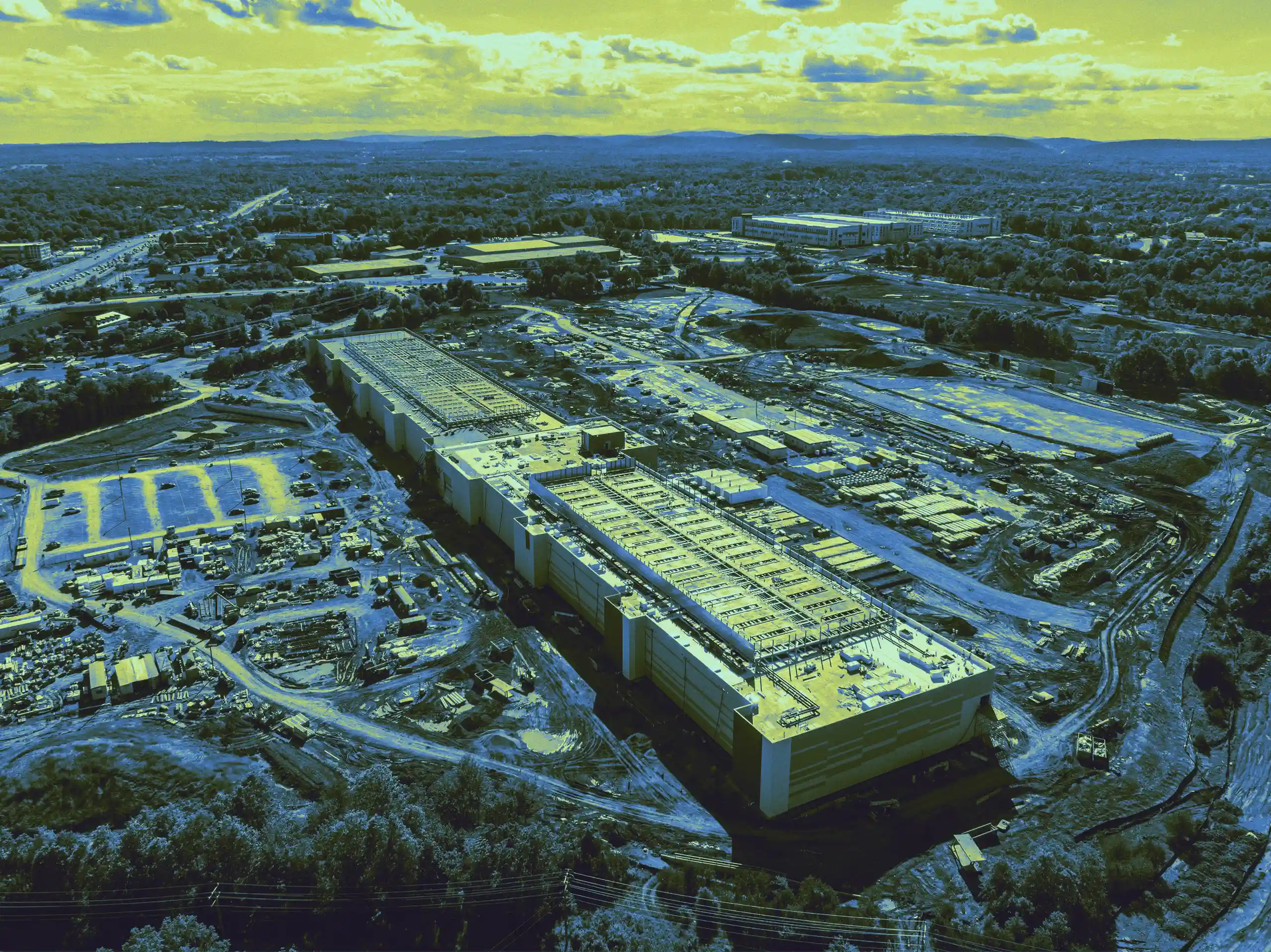
Economic Development
Interventions targeting the economic development terms between governments and data center developers.
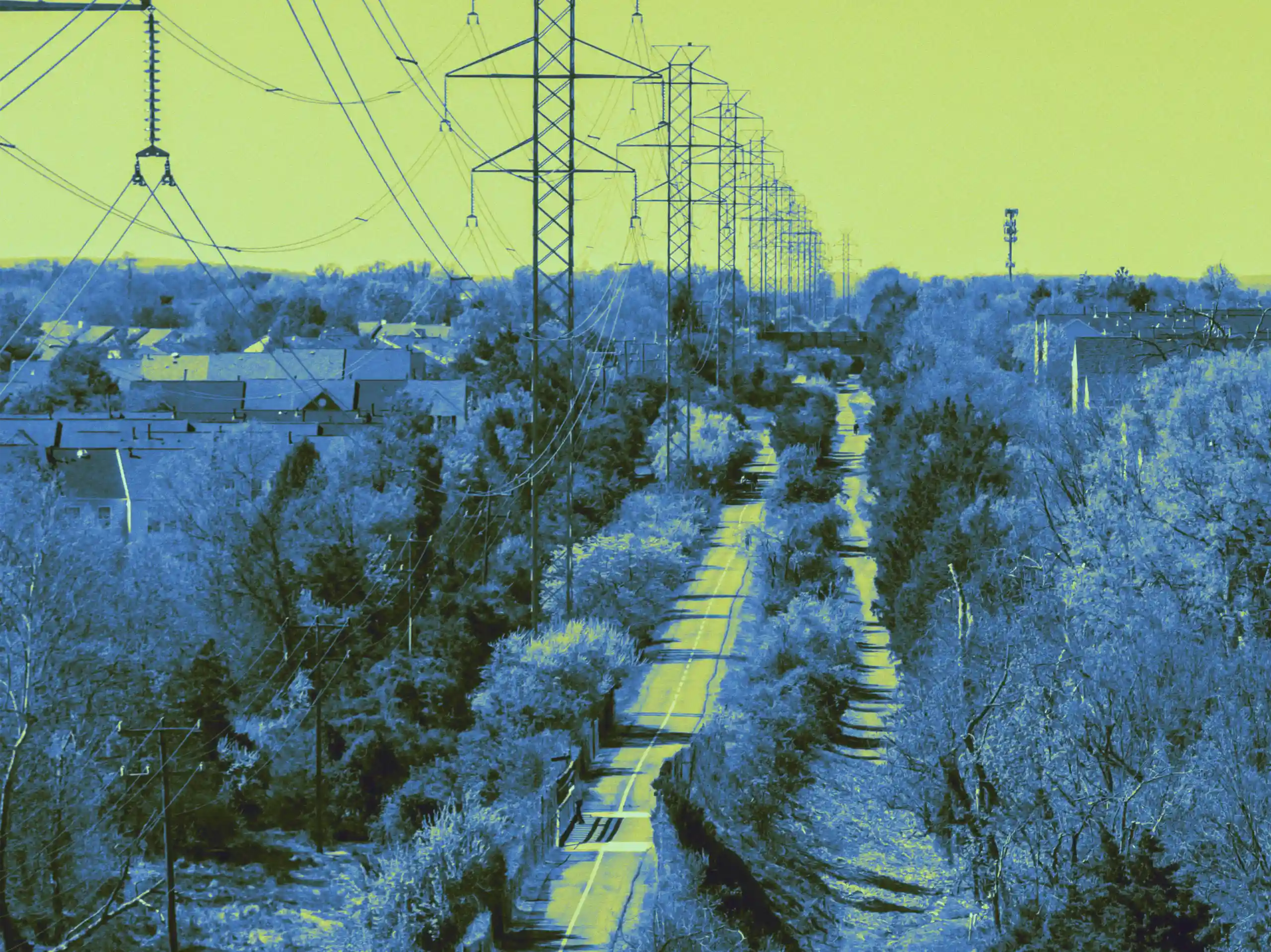
Energy
Energy regulations designed to stabilize our energy grid and limit the harmful effects of a rapid energy rollout.
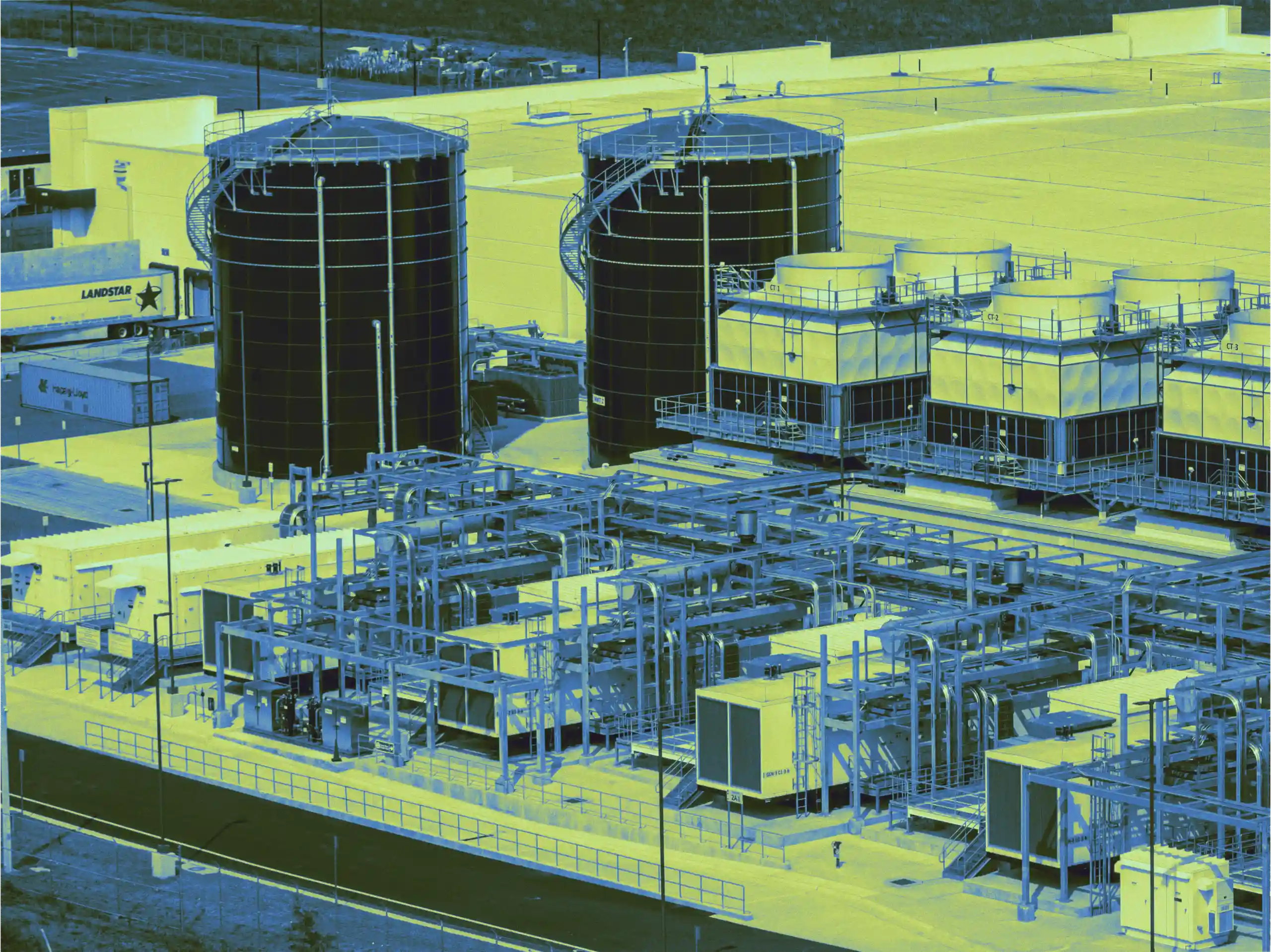
Noise
Measures to protect the public from the noise emitted from data centers.
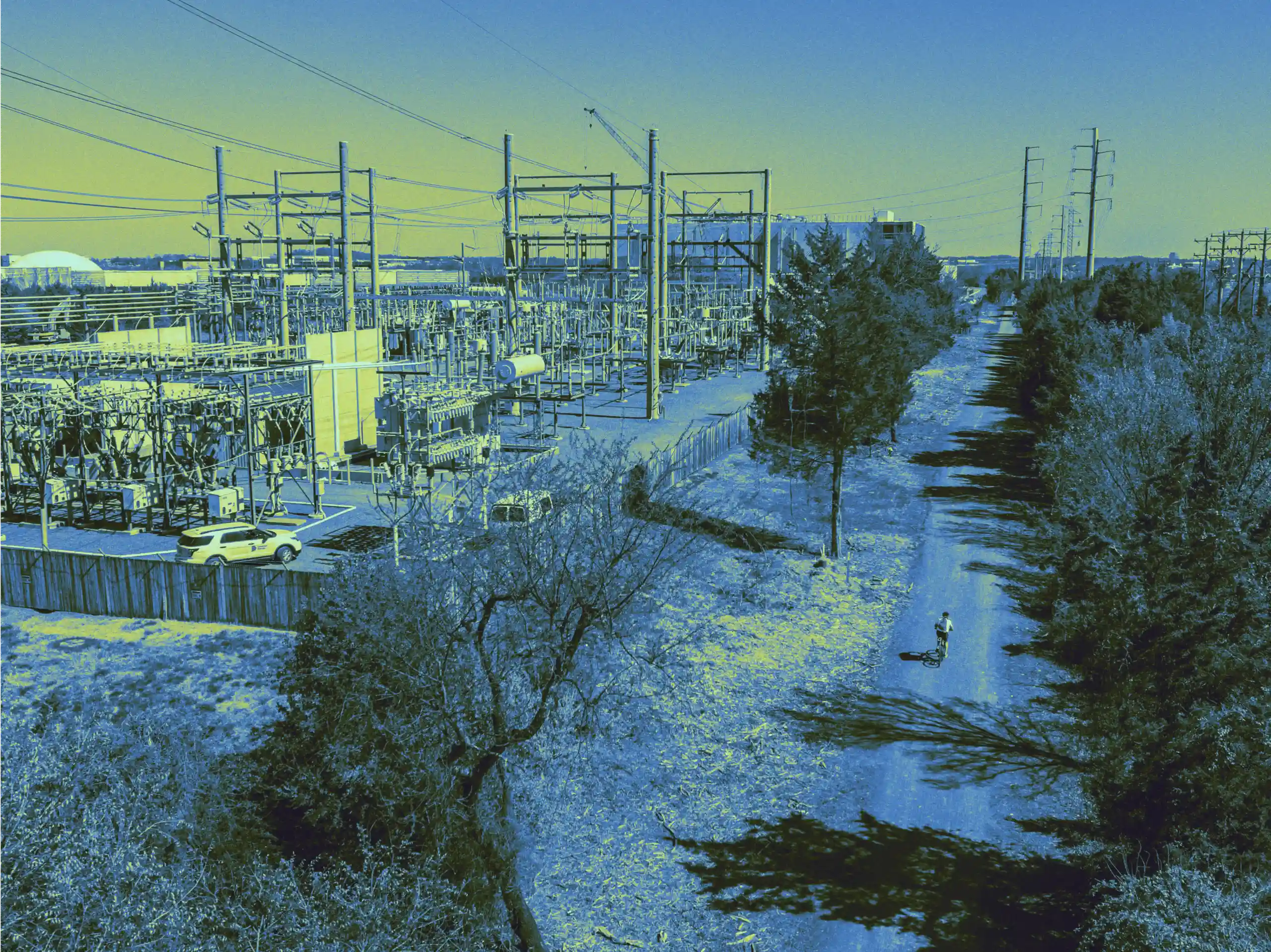
Ratepayer Protections
Regulations designed to protect everyday ratepayers from carrying the costs of rapid data center infrastructure buildout
Transparency
Oversight and transparency mechanisms to ensure data center developers cannot hide critical information from the public.
Water
Interventions that limit the impacts of data centers on our public water resources and infrastructure.

Zoning & Land Use
Zoning and land use mechanisms that enable governments to dictate where and how data centers can be built.