
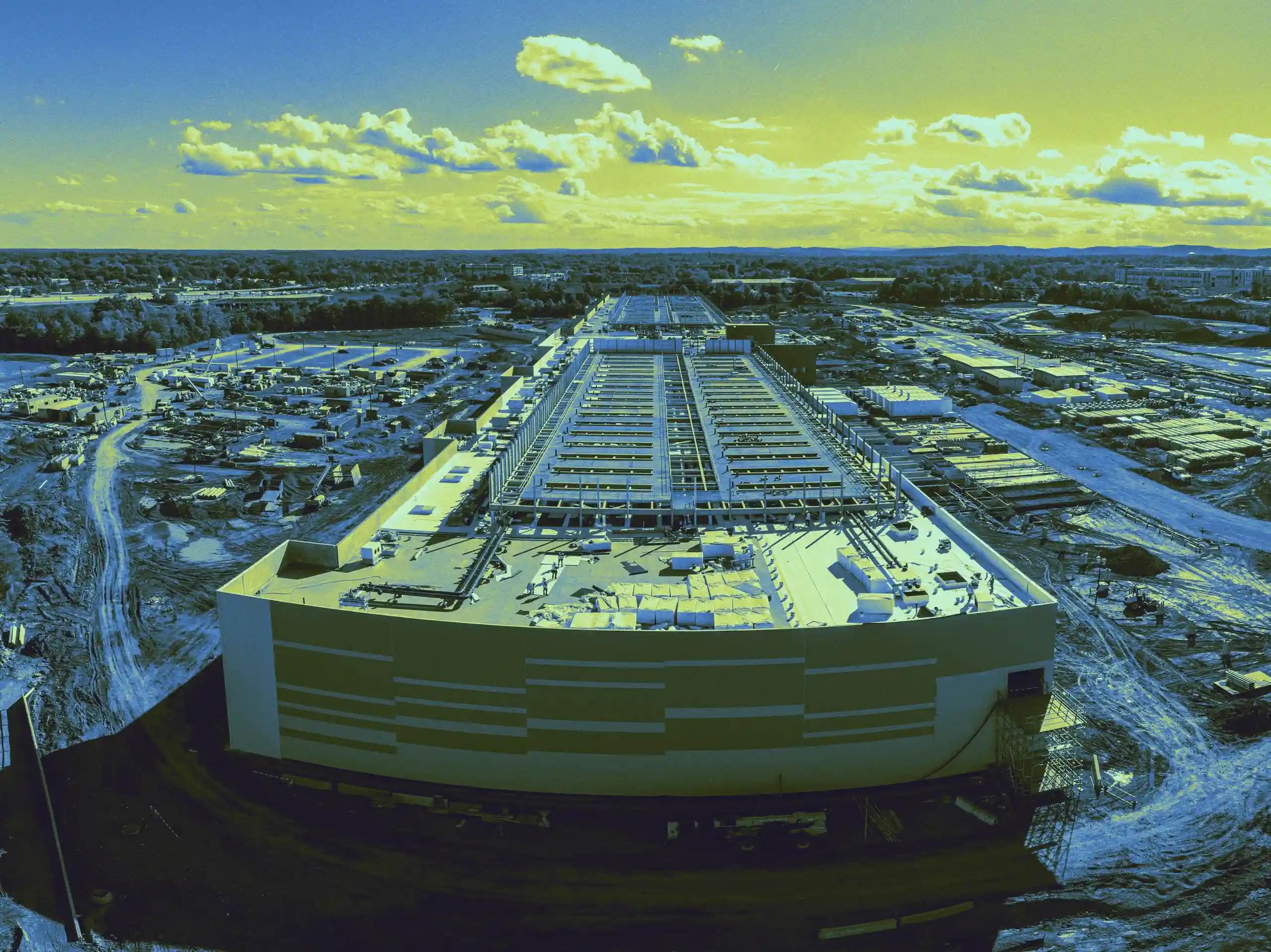
State & Regional Interventions
This section maps out the possible state and regional policy interventions to stop, slow, and restrict rampant data center development. These recommendations primarily target interventions at the state level, but may span multiple counties or several states. Recommendations that address public-utility commissions often fall into the latter category. These interventions are generally ordered from what is most to least powerful to address at the state or regional level, taking into account local versus state versus federal jurisdictions.
Not every intervention will be feasible in every state or region, due to differences in state laws, existing regulations, and political conditions. This is intended as a menu of options that can be analyzed in relation to local conditions.
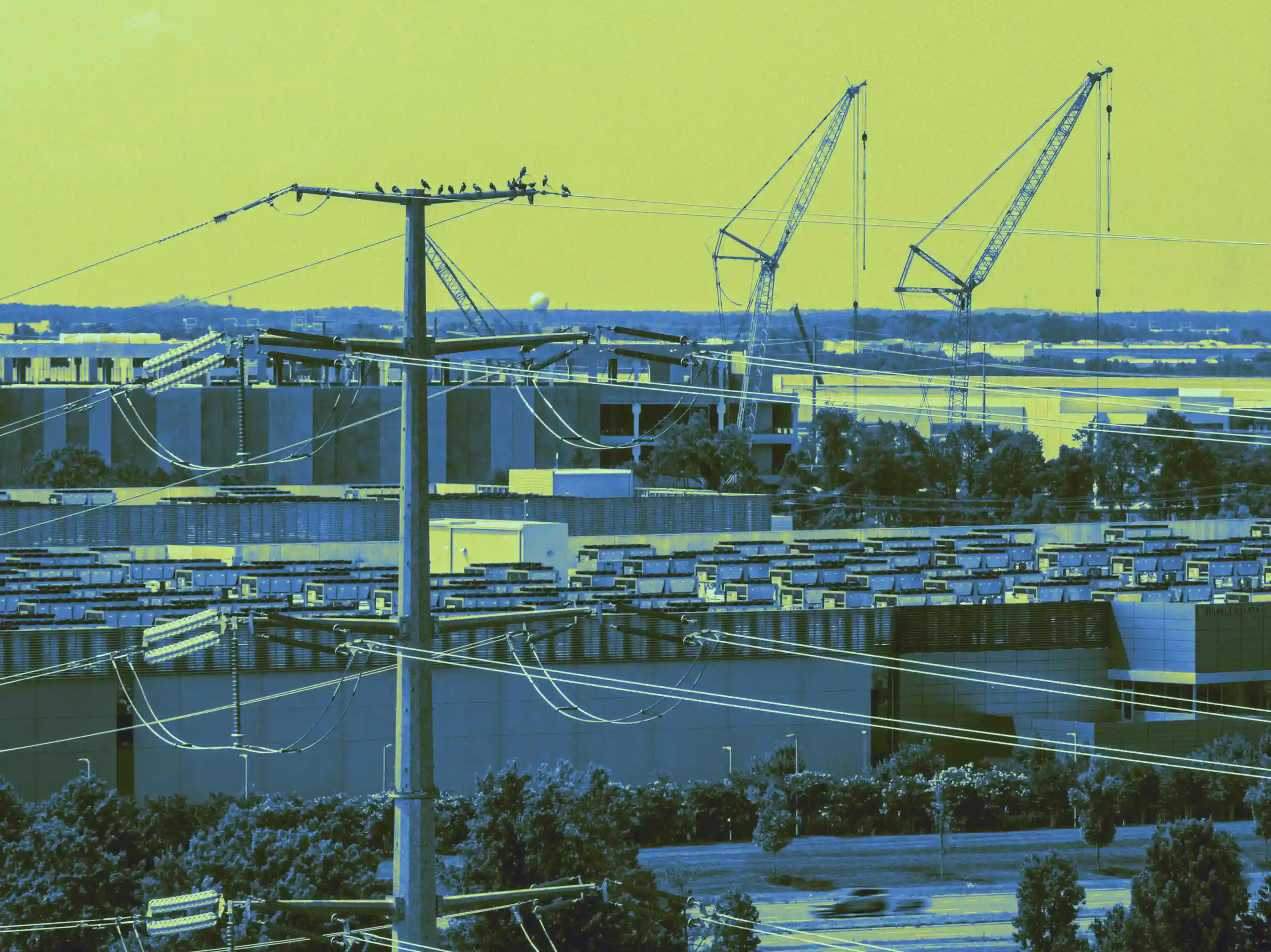
Enact a Statewide or Regional Moratorium on Data Center Development
The public impacts of data centers are not limited to the city or county where they are located. When a new data center connects to the grid in one city, utility bills can increase for all customers of that service region (and often across state lines). While strong and important, city- and county-wide moratoriums may simultaneously push data center development into an adjacent area with weaker protections.
A statewide or regional moratorium allows states and public utility commissions to adequately evaluate the risks of data centers and pass widely applicable regulations to protect everyone from the harms of hyperscaler development.
Strong example
Citizens Action Coalition is calling for a statewide moratorium on new hyperscaler data centers used to power AI across Indiana.
Strong Example
Honor the Earth, Indigenous Environmental Network, and the No Data Centers on Native Land Coalition have called for a three-year data center moratorium on tribal lands.
Strong example
A moratorium on new data center connections to AEP Ohio’s power grid was in effect until July 2025.
Strong Example
Food and Water Watch is calling for a national moratorium on all new data centers.
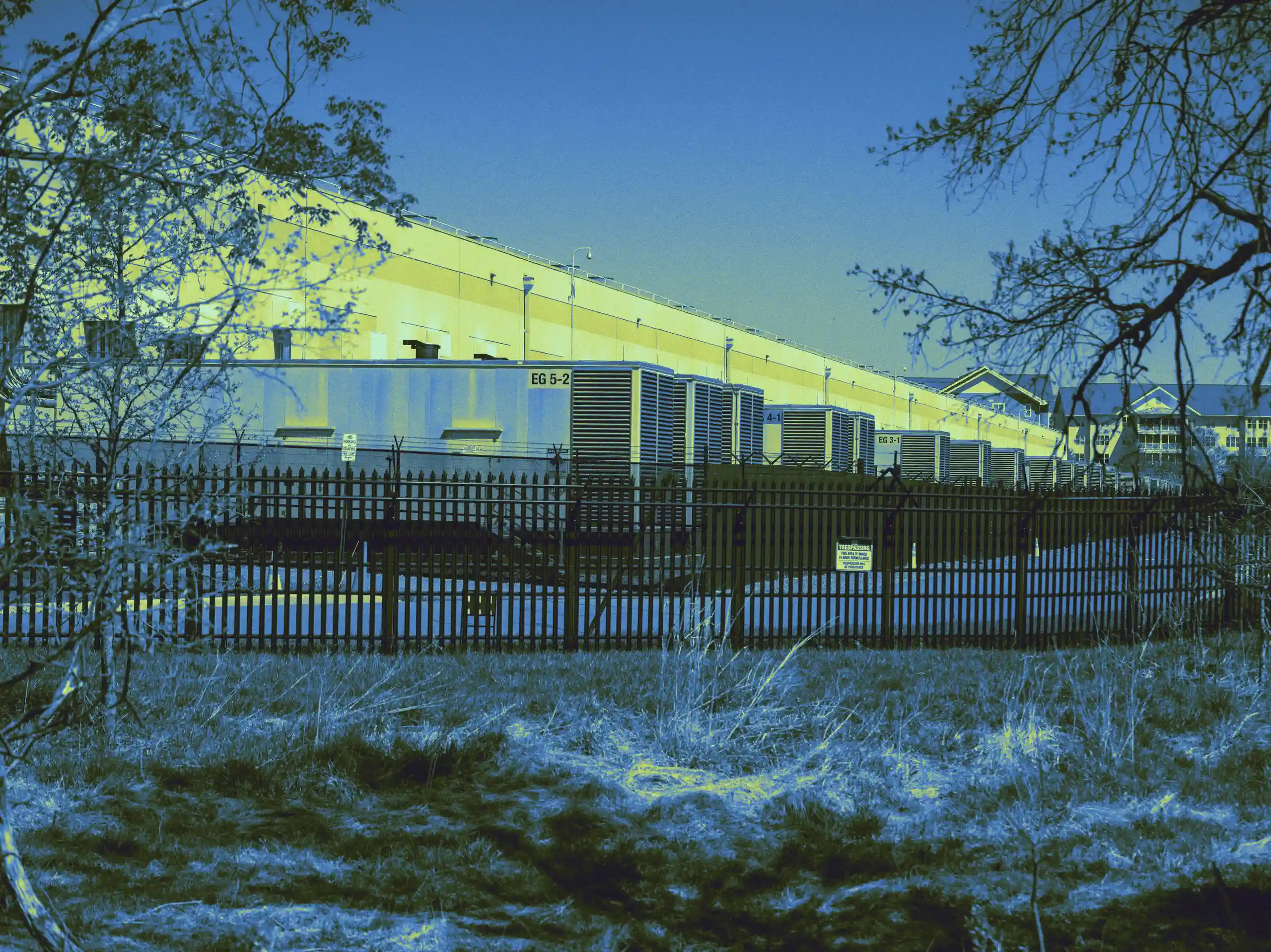
Establish Statewide Oversight and Transparency Mechanisms
Data center developers and operators often want to keep information about their deals secret, obscuring details from the public and arguing that transparency can tip off competitors and affect negotiations for tax incentives. States must develop oversight and transparency mechanisms to ensure that data center developers cannot hide critical information from the public.
Amend State Transparency Laws to Ensure Public Disclosure
Public-record and agency disclosure laws grant the public the right to inspect government records. This is a critical way for the public to learn about the industry moving into their communities.
States can protect against workarounds data centers try to take by specifying what data center developers must reveal as a matter of public interest, and how they must do so. This includes:
Prohibit Trade Secret Exceptions to Transparency
Clearly specify that information collected during the application process does not constitute sensitive information or trade secrets and cannot be redacted or exempted from public disclosure. Such information includes:
- Noise study and mitigation
- Projected and actual energy usage and mitigation
- On-site energy emissions
- Projected and actual water usage and mitigation
- Value of tax abatements developer is receiving for the project
- Name of all companies involved in data center project (including developer, shell companies, data center operators and/or end users, and financers)
- Jobs (short-term and permanent, hiring efforts, permanent employee wages)
- The results of a displacement and holistic environmental impact report, centering environmental justice considerations (such as those emerging from redlined/fenceline communities), and establishing that the data center will not exacerbate the displacement of residents and local businesses
Require Submission of Documents, Specifically Digital Copies
Require data centers to provide documents, including digital copies, for review. This protects against data centers solely providing information for review in person or during video calls, which would prevent the public from examining records.
Protect Against Anonymity
Prohibit the use of a special-purpose entity (SPE), subsidiaries, shell companies, and/or a third party to provide anonymous information. This protects against data center companies remaining anonymous.
Beware of Bad-Faith Litigation
In Oregon, Google sued a newspaper to avoid release of records detailing the amount of water the tech giant used to cool a data center, claiming that the records would reveal trade secrets.1 This in spite of Oregon’s public-record laws, which require real trade secrets to be released when they are in the public’s interest.
- Seth Stern, “It’s Time for Open Records Laws to Promote Transparency,” Freedom of the Press Foundation, December 22, 2022, https://freedom.press/issues/its-time-for-open-records-laws-to-promote-transparency. ↩︎
Ban Nondisclosure Agreements (NDAs) in Economic Development
NDAs are secrecy contracts signed between a data center developer and local governments that prohibit the government from sharing information about the data center development deal with the broader public. These are widely used in data center development—in Virginia, 25 out of 31 localities with an existing, approved, or proposed data center had an NDA—and impede the public’s ability to make informed decisions about their community. States should pass laws prohibiting the localities from entering into NDAs with data center developers.
Establish a Statewide Clearinghouse
Require states to design, implement, and maintain a publicly accessible website to provide information about all data center facilities in the state.
Require Monthly Reporting
Require all large-load customers to report monthly on energy and water usage.
Strong example
California AB1577 (introduced) requires monthly reporting to a state agency of total energy consumption, water consumption, waste heat, and onsite electricity generation as a condition for permitting.
Example
Virginia introduced a bill in 2025 establishing a statewide clearinghouse funded by data center developers.
Require Additional Reporting
Data centers must also provide information on noise studies, tax incentives, job creation, local hiring, construction and permanent employee wages and benefits, and dollars invested into the community to the clearinghouse.
Funding
The project should be funded through a fee charged to each owner or operator of a large-load customer.
Require Statewide Review of Data Center Projects
Statewide review of data center projects is important to adequately track and evaluate resources that go into data center development, including interconnection requests, energy use, water usage, emissions from on-site generation, tax subsidies, and jobs. This process can and should evaluate all projects that use, plan to use, or are able to use 20 megawatts (MW) or more, even if those projects are powered with behind-the-meter energy, since they would not interconnect to the electric grid.

Repeal or Limit Tax Incentives and Subsidies
Sales and use-tax exemptions for data centers are often granted at the state level. This strips valuable tax money away from communities—especially public schools, since property taxes remain the largest source of K-12 funding. Because data centers are so extremely capital-intensive, exempting them from the corporate personal property tax is a very lucrative subsidy.1
Local governments must protect against this extraction through the following actions:
- For a comprehensive overview of how data center subsidies undermine state budgets, see LeRoy and Tarczynska, Cloudy With a Loss of Spending Control. ↩︎
Repeal or Limit Corporate Tax Exemptions
As stated by Good Jobs First:1 “Explicitly disqualify data centers from sales and use-tax exemptions, corporate income tax credits (for investment or hiring), personal income tax diversions, and utility tax exemptions.”
States should also disqualify data centers from local property tax abatements, millage rate preferences, and exemptions on power purchases.
Strong example
Minnesota SF3265 repealed electricity sales-tax exemption for data centers.
- Kasia Tarczynska, “Data Centers: Key Reforms for State Subsidy Legislation,” Good Jobs First, September 23, 2025, https://goodjobsfirst.org/data-centers-best-reforms-for-state-subsidy-legislation. ↩︎
Require Job Quality Standards and Local, Targeted Hiring for Construction and Data Center Jobs
As a condition of tax breaks, states can require companies to abide by strong labor conditions. See Establish State Fair Labor Requirements to learn more, including the limitations of labor requirements, since data centers are not significant job creators.
Weak example
Colorado proposed SB 25 to allow tax and utility benefits to data centers under the condition of creating 25 full-time jobs.
Do Not Abate School Taxes
Property taxes are the largest single source of revenue for K-12 education, so states should ideally prohibit abatements of property taxes that funnel into schools. At minimum, states should give school districts the power to opt in or out of any abatement deal, for a negotiated duration and percent.
Weak (cautionary) example
In 2024, Morrow School District 1 in Oregon lost $18 million because of tax breaks granted to Amazon data centers located in the district.
Oppose State “Special Economic Zones”
Special economic zones, also known as enterprise zones or tax-financing districts, are geographic areas where corporations receive lucrative tax breaks in exchange for investment in a particular community. In theory, these zones are intended to stimulate economic growth in depressed areas. In reality,1 these zones lack community accountability measures and the benefits rarely accrue to the residents of the community. AI firms2 and states3 are pitching the development of special economic zones to fast-track the development of data centers.
- “Opportunity Zones Resource Center,” Good Jobs First, accessed December 2, 2025, https://goodjobsfirst.org/opportunity-zones. ↩︎
- Sebastian Moss, “OpenAI Pitches AI Economic Zones for Data Center Permitting, a National Transmission Highway Act, and More Government Support,” Data Center Dynamics, November 14, 2024, https://www.datacenterdynamics.com/en/news/openai-pitches-ai-economic-zones-for-data-center-permitting-a-national-transmission-highway-act-and-more-government-support. ↩︎
- Massachusetts Office of Energy Transformation, “Enabling Sustainable Economic Development Work Group,” Commonwealth of Massachusetts, accessed December 2, 2025, https://www.mass.gov/orgs/enabling-sustainable-economic-development-work-group. ↩︎
Ban or Reject Special Economic Zones for Data Centers
States should reject the development of special economic zones designed to spur data centers.
Prohibit the Application of Existing Special Economic Zones to Data Center Development
If and where special economic zones provide favorable tax conditions to data centers, states should proactively exempt data center development from existing special economic zone legislation.
Investigate and Improve Locally Specific Terms
Where special economic zones do exist, states can update the locally specific terms or requirements to give full approval power to localities over data center developments. This would allow localities to use the requirements of special economic zones to impose or negotiate conditions, accountability standards, or community benefits on data center developers, such as through a payments in lieu of taxes (PILOT) agreement.
Note: While this can potentially mitigate harm, revenue generated from PILOT agreements is significantly less than what would be generated from full taxation, so states should instead force data centers to pay fair taxes and deprioritize special economic zones, including those with PILOT programs.
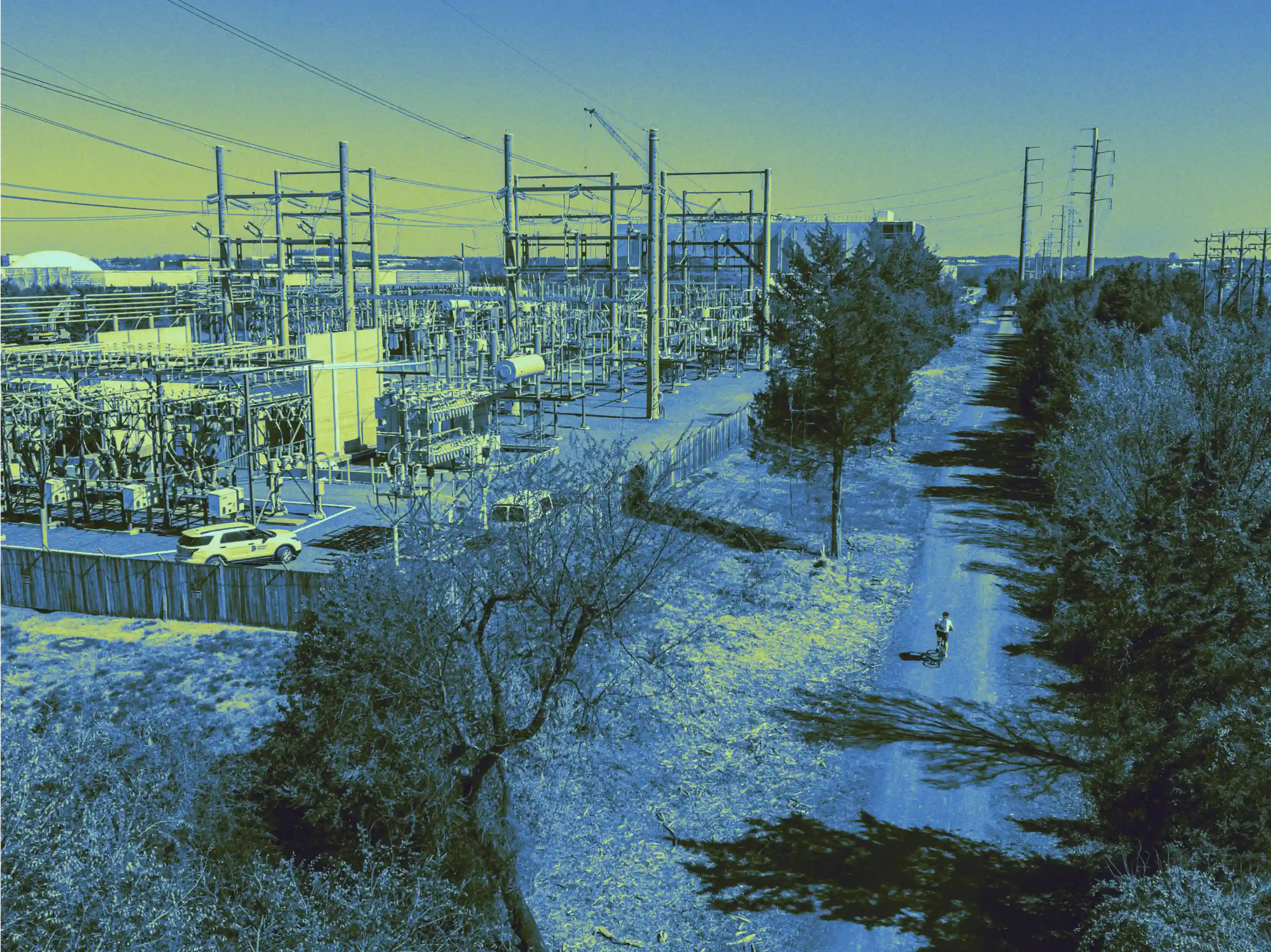
Establish Strong Ratepayer Protections
The staggering power-demand projections driven by increased demands from data centers pose significant challenges to our electric system. In many cases, this increased demand cannot be met with existing capacity, requiring new energy generation and infrastructure development. Without proper protections in place, the costs associated with this expansion are frequently passed on to ordinary consumers.
Protect Ratepayers from Subsidizing the Costs of Data Centers
Utilities must ensure that the costs of energy infrastructure to serve data centers are not unfairly passed on to ordinary customers. Special consideration should be paid to ensure that all costs associated with the development of data centers—including construction and energy generation—are paid for by data centers, not taxpayers.
Require Data Centers to Pay Separately for 100 Percent of the Necessary Costs to Service Them
Data centers must be required to pay separately for 100 percent of the costs necessary to service them, including transmission, energy generation, capacity, and financing costs.1
Transmission lines are the network of high-voltage power lines that carry energy from power generation stations (power plants) to local distribution systems (the local wires that enter our homes and schools). The cost-causation principle, which guides ratemaking, says that customer prices should align with the costs necessary to provide service to that customer—meaning that customers can and should pay proportionally for the transmission lines that service them. However, recently, ratepayers have disproportionately paid for regional transmission costs tied to data center growth. States must pass legislation that directly allocates costs to data center customers that use or are able to use more than 20 megawatts (MW). For recommendations on defining data centers and setting rate classes, see Develop Separate Rate Classes for Large-Load Customers below.
example
A bill proposed in Georgia, SB34, prohibits electric utility companies from including costs necessary to service commercial data centers in their rates, unless costs are charged exclusively to data centers or prorated based on demand. The bill specifically calls out costs associated with increased fuel requirements, generation costs, and transmission costs.
Example
SB 6 in Texas requires large-load customers (75 MW or more) to fund transmission fees and upfront costs in the data center development process. However, the bill explicitly greenlights new behind-the-meter gas-powered power generation for data centers, which we recommend states prohibit.
Institute an Equitable Tariff Schedule
A tariff schedule, the official pricing structure set by utility companies, includes rates per unit of energy and other charges (such as service fees). Large-load customers must be subject to a tariff schedule that is equal or proportional to the costs of serving them, mitigating the risk that other classes of retail consumers are paying unwarranted costs. This may include instituting a new tariff schedule or amending an existing tariff schedule.
Strong example
Previously in Oregon, large industrial users like data centers were paying about 8 cents per kilowatt hour (kWh), while residential customers paid 20 cents per kWh. The newly proposed tariff schedule institutes a rate that will ensure data centers pay their fair share.
Investigate or Revise Cost Allocation Methodology and Formulas
To assign costs to various ratepayer classes, utilities use a wide variety of methods, all of which lead to varying results.2 Some utilities use methods that assign more costs to customers with peaking energy demand, like residential customers, and fewer costs to data center customers. Regulators must investigate whether existing cost-allocation methodologies are fair, and enact provisions to revise methodologies that unfairly burden ordinary ratepayers for the costs associated with data centers.
Strong example
In 2024, Virginia introduced a bill that directs the State Corporation Commission to initiate proceedings to determine if the current allocation of costs among different customer classifications are fair, and to determine whether customers that are not data centers are subsidizing the costs of data center customers.
Directly Allocate Additional Fees to Data Centers Where Applicable
Utilities are authorized to directly allocate costs in certain situations. These include fees for capacity studies, tracking cost allocation, revenue tracking, or purchased-power adjustments.
Strong example
Ohio requires new data centers to pay study fees that range from $10,000 to $100,000.
Require Data Centers to Fund Independent Cost Studies
Require data centers to fund third-party, independent studies investigating whether additional costs are passed on to consumers throughout the data center generation process, including:
- Whether higher costs get passed on to all customers, as data centers are raising capacity costs
- Whether data center-created supply constraints are going to make energy projects more expensive
- Whether customers are paying for financing or early construction costs for new infrastructure before the large-load customers come online
Strong example
California’s SB 57 directs the California Public Utilities Commission (CPUC) to assess costs that could result in cost-shifting to other ratepayers, including costs related to utility procurement operations and installation of new transmission and distribution assets.
Protect Ratepayers from the Risks of Data Center Uncertainty
Despite the push to develop energy infrastructure to meet data center demands, there remains significant uncertainty about whether demand projections will materialize. This introduces significant risk that developers will pull out of deals early, leaving communities to shoulder the costs of infrastructure rapidly built to serve data center needs. States can protect against this risk by instituting strong compliance laws (also referred to as “compliance tariffs”) that insulate ratepayers from the risks of speculation and overprojection.
Develop Separate Rate Classes for Large-Load Customers
A large-load customer should be defined as a customer that uses or is able to use more than 20 megawatts (MW). A separate rate class for these customers should then be established. There are several ways to establish this separate rate class.
In some states, utilities have solicited approval from the Public Utility Commission (PUC) to create a new rate class specifically for data centers (or more broadly “large-load customers,” which are typically defined in such a way to apply almost exclusively to data centers, but designated via the amount of power used).
Advocates could also petition the state PUC to open such a proceeding in situations where the utility has not been proactive.
Utility rate cases may also provide an opening to advocate for the creation of a separate tariff class for large loads.
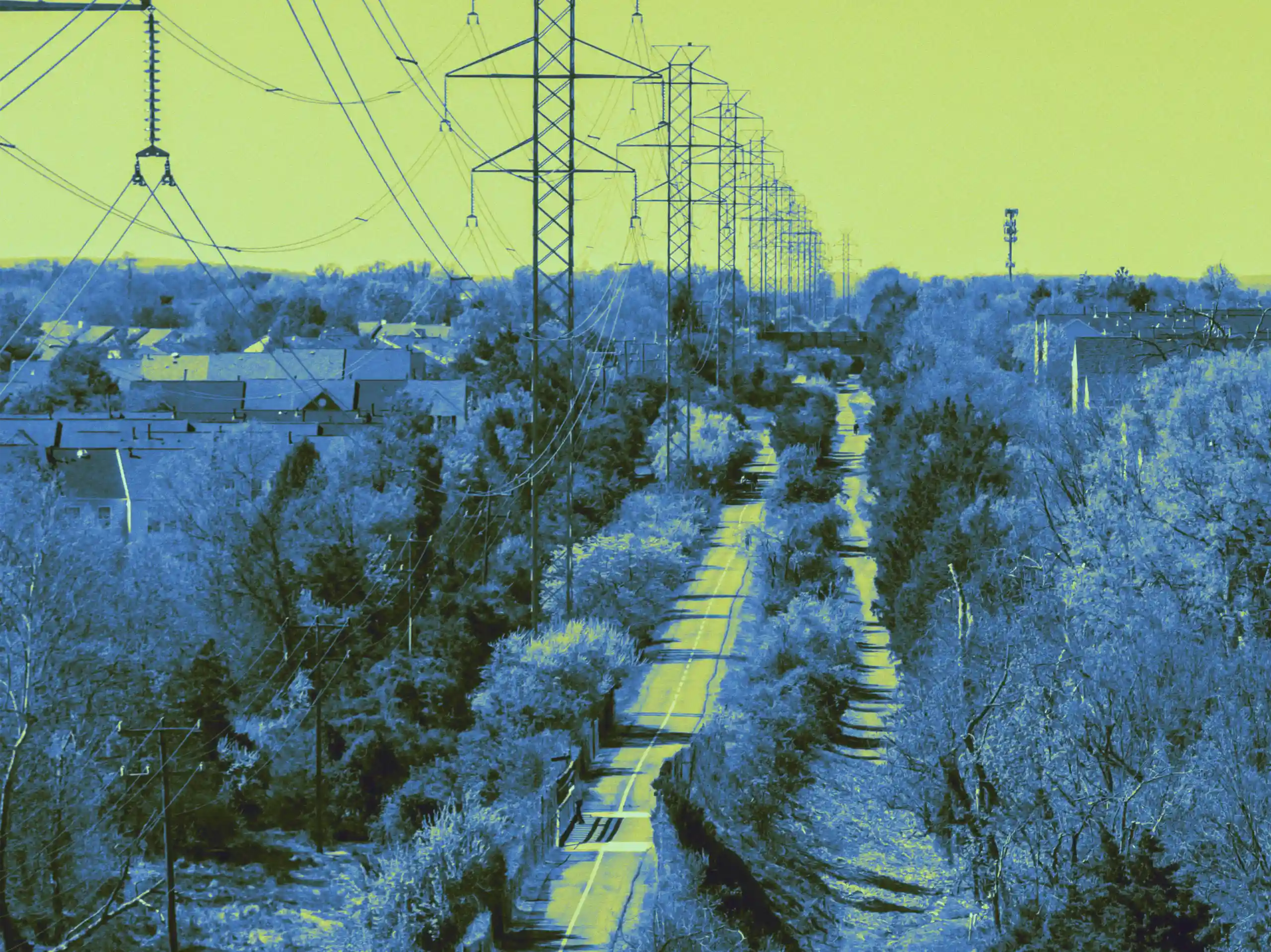
Promote Grid Stability and Accelerate Renewable Energy Infrastructure
The staggering power-demand projections driven by data center development threaten to destabilize our fragile energy grids. This escalating demand for power is also prolonging our dependence on the fossil fuel industry and reversing our limited climate progress. States and regulators must pass laws and regulations designed to protect grid stability and end reliance on fossil fuels.
Protect Grid Stability
Institute Safeguards to Mitigate Inconsistent Monthly Energy Usage
Tariffs and special contracts can mitigate the harms that can occur when data center usage spikes. These inconsistencies make it harder for utilities to cover the fixed costs that serve the load. These protections include:
Demand Charges
These charges are based on the peak demand that may occur during the billing period. They ensure that utilities can recover the cost of providing reliable service during swings.
Demand Shedding
This is a safeguard imposed through a tariff or demand-response program (depending on size and utility type). This requires data centers to reduce their load during certain periods, such as during an emergency or peak time. Provisions to ensure that data centers can and do reduce load include making this participation mandatory and instituting penalties for failure to respond to an interruption event.
Retain the Right to Curb or Shut Down Energy During Peak Demand or Emergencies
Utility companies must retain the power to interrupt service to prevent disruptions for ordinary ratepayers during times of peak demand or in the event of an emergency (e.g., heatwave).
Strong example
A bipartisan coalition of state legislators representing ratepayers across the PJM region (an area covering electricity for all or parts of Delaware, Illinois, Indiana, Kentucky, Maryland, Michigan, New Jersey, North Carolina, Ohio, Pennsylvania, Tennessee, Virginia, West Virginia, and the District of Columbia) submitted a proposal demanding that data centers joining PJM’s grid will be subject to interruptible service, meaning that PJM can force data centers to stop using electricity during times of peak demand. Tech companies have pushed back.
Institute Electricity Caps to Ensure Data Centers Are Not Consuming a Disproportionate Amount of Energy
Limit the amount of electricity a service provider can provide to data centers in the course of a calendar year.
example
Maine caps the share of in-state electricity sales from the power provider to data centers at 25 percent.
Require Data Centers to Abide by Energy Efficiency Standards and Best Practices
States can require that data center projects abide by energy-efficiency standards.
Strong example
In California, data centers must comply with Energy Code requirements, including the use of energy-efficient technologies.
Accelerate Renewable Energy Infrastructure and Use
Mandate 24/7 Renewable Energy Requirements
Require that data centers procure or subscribe to locally deliverable, additional, and zero-emissions renewable energy at all hours of the day, every day of the year, as a condition for receiving approval.1 “Additional” is an important requirement to ensure that data centers do not take energy away from another project that would have used the available renewable energy to decarbonize.
Example
New York State introduced a bill offering a staged approach: By 2030, at least one-third of all energy used by data centers must be provided through power-purchase agreements for renewable energy; by 2035, at least two-thirds; and by 2050, all energy. Thus it will take the state 25 years to reach a 100 percent renewable-energy commitment, during which time data center development will significantly expand the production of fossil-fuel energy.
Require “Clean-Energy Tariffs” for Utilities
“Clean-energy tariffs”2 are programs where large-load customers commit to purchasing carbon-free energy resources to meet their demand load. In these programs, data centers provide the up-front financial capital for utility companies to develop or procure renewable energy resources, then commit to purchasing the energy supply. States should require that large-load customers participate in this program for all energy needs (24/7). These can be multiyear or lifetime commitments.
- Sierra Club, “State Policies to Mitigate Data Centers,” January 2025, https://docs.google.com/document/d/1ECA47CaiLwaL0STaon7Ng4O2i-Etd6E2mPfhqp-30TI/edit?tab=t.0#heading=h.4gub98glhten. ↩︎
- “Clean-energy tariffs” are programs where large-load customers commit to purchasing carbon-free energy resources to meet their demand load. In these programs, data centers provide the up-front financial capital for utility companies to develop or procure renewable energy resources, then commit to purchasing the energy supply. States should require that large-load customers participate in this program for all energy needs (24/7). These can be multiyear or lifetime commitments. ↩︎
Oppose Development of Fossil-Fuel-Based Generation and Transmission Infrastructure to Power Data Centers
Utilities need to receive certificates of public convenience and necessity (CPCNs) from state PUCs in order to build new generation and transmission. Advocates can intervene in these cases to argue for
- not building new fossil-fuel power plants or transmission lines to power data centers, and/or
- requiring that the costs of such infrastructure should be fully borne by the data center customers.
Regulate Purchase Agreements Between Utility Company and Power Users
Power-purchase agreements are agreements between a utility company and a data center operator or independent power producer stipulating that the utility agrees to provide electricity to the data center. States can dictate the terms of these purchase agreements, including incentivizing the purchase of renewable energy and prohibiting incentives or discounts for energy generated through fossil fuels.
Strong example
A New York State bill prohibits incentives in fossil fuel power-purchase agreements with utilities.
Prevent New Electricity Demand from Delaying or Compromising State Environmental Standards
States should require public-utility commissions to demonstrate that new electricity demand will not delay or compromise state environmental standards as a condition for approval.
example
Minnesota signed a law requiring the state’s public-utility commission to consider how electricity provided by utilities to large customers achieves state electricity standards, including solar energy standards. A stronger law would mandate that public-utility commissions can approve electricity only if large-load customers achieve state electricity standards.
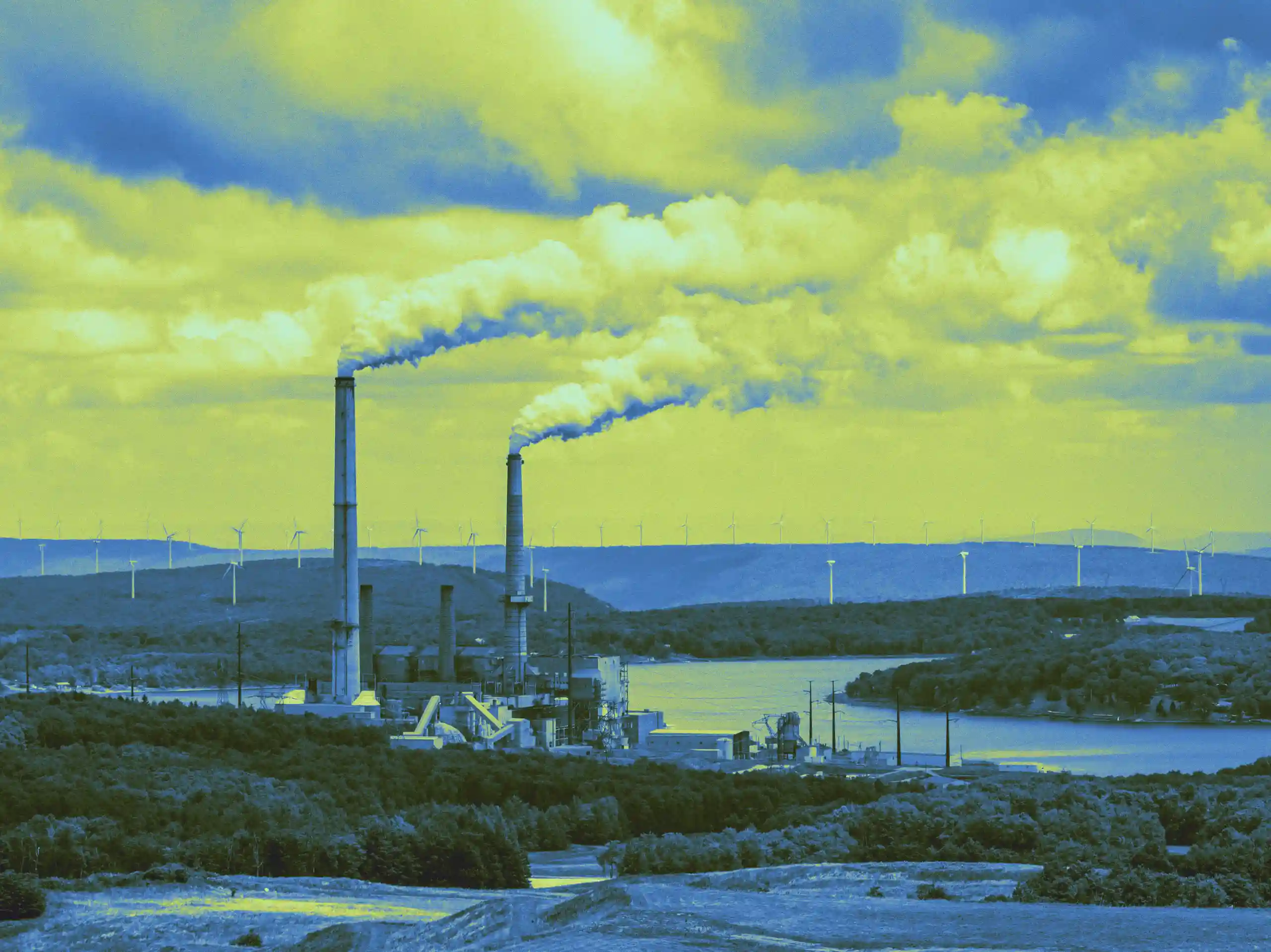
Implement Air Pollution and Community Health Measures
Data centers are significant producers of carbon emissions, which threaten the health of local communities. Local governments must protect community members from the harmful and irreversible effects of data centers, including degraded air quality and worsening quality of community life.
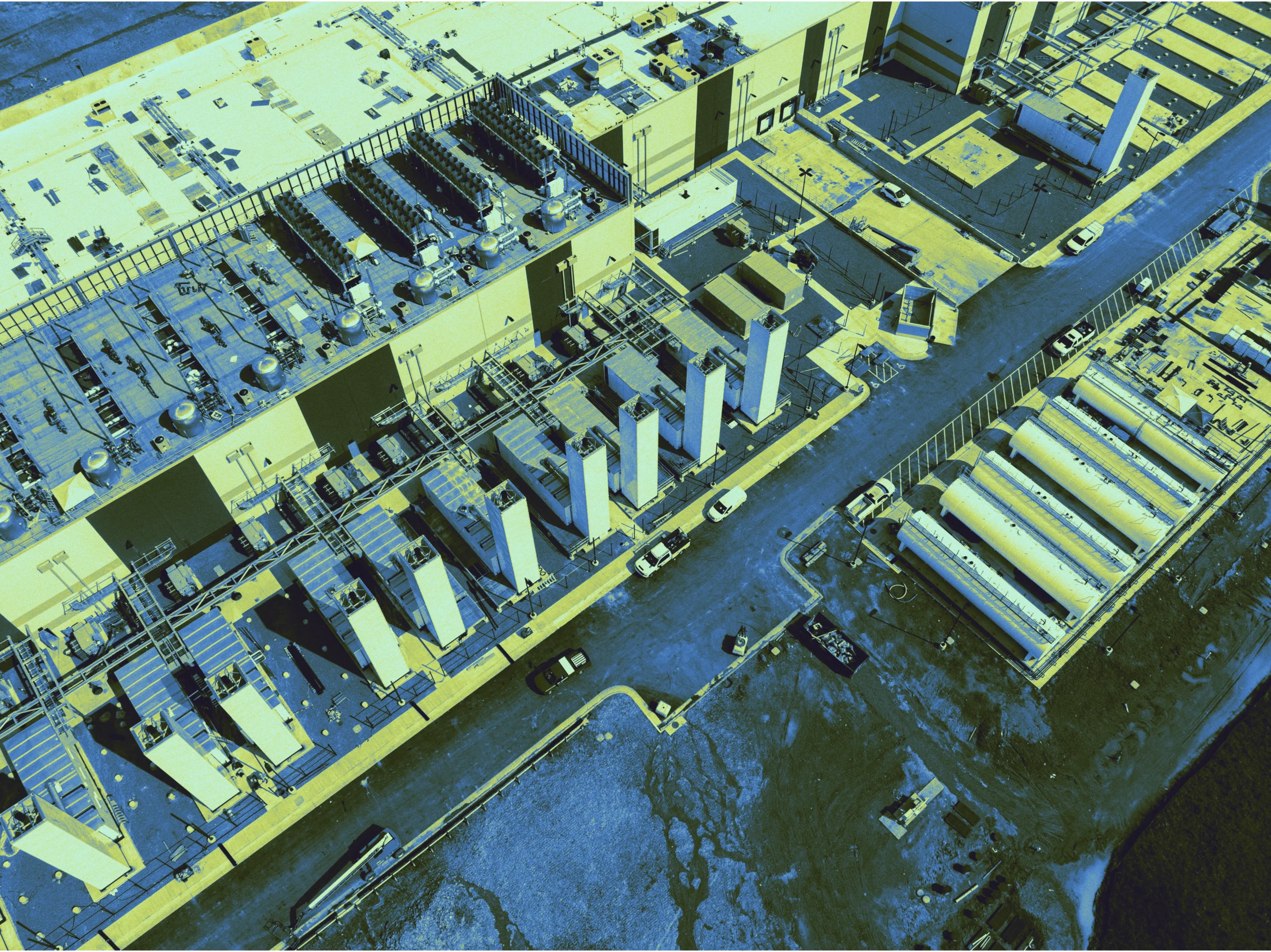
Prohibit Backup Diesel Generators
Some data centers are installing backup generators, often diesel, to provide power in the event of power outages. States should prohibit data centers from running on-site diesel generators. States should also protect against developer work-arounds, such as developers acquiring permits from adjacent jurisdictions.
Prohibit Exemptions from Emissions Standards
Prohibit data center applications from requesting an exemption of the state’s emission rules. Note: If localities cannot legally prohibit exemptions from state emissions regulations, they should speak out against this practice.
Strong example
Maryland Public Service Commission (PSC) rejected a data center application’s request for an exemption from the state’s emission rules.
Limit Corporate Influence over Processes and Institutions Involved in Data Center Development
The powerful corporate interests behind data center development can exercise outsize influence over key institutions and processes governing data center developments and approvals, from elections and public-utility commissions to other regulatory processes. States must institute reforms over these democratic processes to check corporate influence throughout the data center development process.
Regulate Public-Utility Commissions to Ensure Meaningful Public Participation
Fund Public-Interest Intervenors in Public-Utility Ratepayer Cases
States have the ability to fund individuals and groups to participate in regulatory utility cases. This process is essential to ensure that the public’s interest is represented in cases. Currently, 20 states have authorized intervenor compensation programs designed to provide funding for people to participate in utility proceedings.1 States should build and/or strengthen these programs.
Strong example
As of 2025, California’s public-intervenor process has awarded over $3 million to 14 unique intervenors.
Remove Barriers to Public Intervention
States can pass laws reforming the public-intervention process, including removing laws that allow private entities to challenge and throw out intervenors before proceedings and removing requirements that intervenors need a lawyer to intervene. States can also institute strong standing principles that allow any organization to participate in the intervention process.
- Deanna Nussberger, “Intervenor Compensation: Supporting Public Participation in Utility Decisions,” Environmental Defense Fund, May 20, 2025, https://blogs.edf.org/energyexchange/2025/05/20/intervenor-compensation-supporting-public-participation-in-utility-decisions. ↩︎
Impose Political Spending Limits to Curb Corporate Influence in Elections
Key players in the data center development process are trying to influence key elections. In just one example, Virginia’s state-regulated utility monopoly Dominion Energy spent $650,000 backing a candidate in the attorney general race, a role designed to hold utility companies like Dominion accountable for harm to ratepayers.1 The looming threat that individuals, corporations, or political action committees (PACs) may retaliate against legislators who regulate data centers by spending money in elections significantly influences how and when legislators choose to impose regulations. In 11 states (including Indiana, North Dakota, Pennsylvania, Texas, and Virginia), there are no contribution limits on individual donors. In five states (including Virginia) corporations can give unlimited amounts of money to candidates that meet certain conditions. Seven states allow PACs to contribute unlimited funds to candidates.2
Establish Commonsense Limits for Individual and PAC Contributions
States can pass laws restricting the amount of money that individuals and political action committees can contribute to elections.
Strong example
38 states restrict the amount of money individuals can donate.
Strong Example
43 states also have laws imposing limitations on political action committees.
Prohibit Corporate Contributions to Political Campaigns
States can pass laws restricting the amount of money that corporations can contribute to elections.
Strong example
23 states prohibit corporations from contributing to political campaigns.
- Amy Waters, “Why Is Dominion Energy Trying to Buy the Attorney General’s Office?,” Clean Virginia, June 10, 2025, https://www.cleanvirginia.org/2025/06/10/blog-why-is-dominion-trying-to-buy-the-attorney-generals-office. ↩︎
- “Campaign Contribution Limits: Overview,” NCSL, updated July 09, 2025, https://www.ncsl.org/elections-and-campaigns/campaign-contribution-limits-overview. ↩︎
Establish State Fair-Labor Requirements
Data centers are not significant job creators, and many of the promised jobs tend to be temporary construction positions or low-paid, temporary, subcontracted data center operations roles. Establishing fair labor requirements could offset some harm, but would not address the underlying reality.
Provide High-Quality, Stable, and Local Jobs
States should ensure that the limited jobs that data centers provide are high-quality, stable, and local.
Hiring
States should require data centers to hire full-time data center staff from the local population, or partner with community organizations on first-source hiring programs. These employees should be directly employed by the data center operator and not hired as subcontractors. For construction jobs, states should demand project labor agreements with a commitment that construction projects will employ local building-trade union workers. States may also require prioritizing the hiring of underrepresented groups in specific industries or labor markets—such as women in construction or veterans.
Wages
Jobs should pay, at a minimum, a living wage adjusted annually for inflation. Ideally, wages should align with market-based standards tied to the state or regional median wage for the data center industry. There must be pay equity for equal work between contractors and the data center company’s own employees.
Benefits
Employers should be required to provide health insurance and cover at least 50 percent of the premium cost for each worker. States should also demand that data centers provide child care to all workers.
Health, Safety, and Well-Being
States should regulate working conditions, including ensuring there is an adequate break room with strong health and safety standa
Collective Bargaining Neutrality
States must mandate neutrality in all firms benefiting from state subsidies.
Transparency
Localities should require data centers to report annually labor demographic data, including number of full-time employees, subcontractors, and temporary workers. Include demographics such as race, gender identity, sexual orientation, education level, and pay and benefits data for each represented group. Include client overhead cost for the bill-rate per headcount of subcontracted workers, organized by job title.
Enshrine Labor Demands into Law
There are four pathways that state lawmakers can take to enshrine these demands into law.
Pass a State Law
Where it does not conflict with federal law, states can pass labor ordinances codifying these provisions into law. This is the strongest possible vehicle, since it would apply to all workers across the state.
Require Job-Quality Standards as a Condition on Permitting Approval
As a next-best step, states should condition permitting on data center proposals abiding by strong labor standards. While permitting is typically controlled by local jurisdictions, states can pass a law requiring certain conditions as a requirement for permitting. Crucially, these conditions must be legally binding and include a clawback provision that specifies failure to meet the agreed-upon standards will result in the revocation of permit and certificate of occupancy. See Establish Conditional Use Permitting for Data Centers for more details.
Require Job-Quality Standards as a Condition of Tax Breaks or Subsidies
If attaching labor conditions to the conditional permitting process is not possible, states can attach labor conditions to tax breaks. Note: This is less preferable than permitting because states should repeal tax breaks for data centers. These conditions must be legally binding and include a clawback provision that specifies that failure to meet the agreed-upon standards will require repayment. See Repeal or Limit Tax Incentives and Subsidies for more details.
Institute Legally Binding Community Benefits Agreements
Labor conditions can also be attached to community benefits agreements (CBAs). This is the least preferable vehicle because CBAs are limited in scope and do not apply to all data center development projects within a community. See Considerations for Community Benefits Agreements for more details.
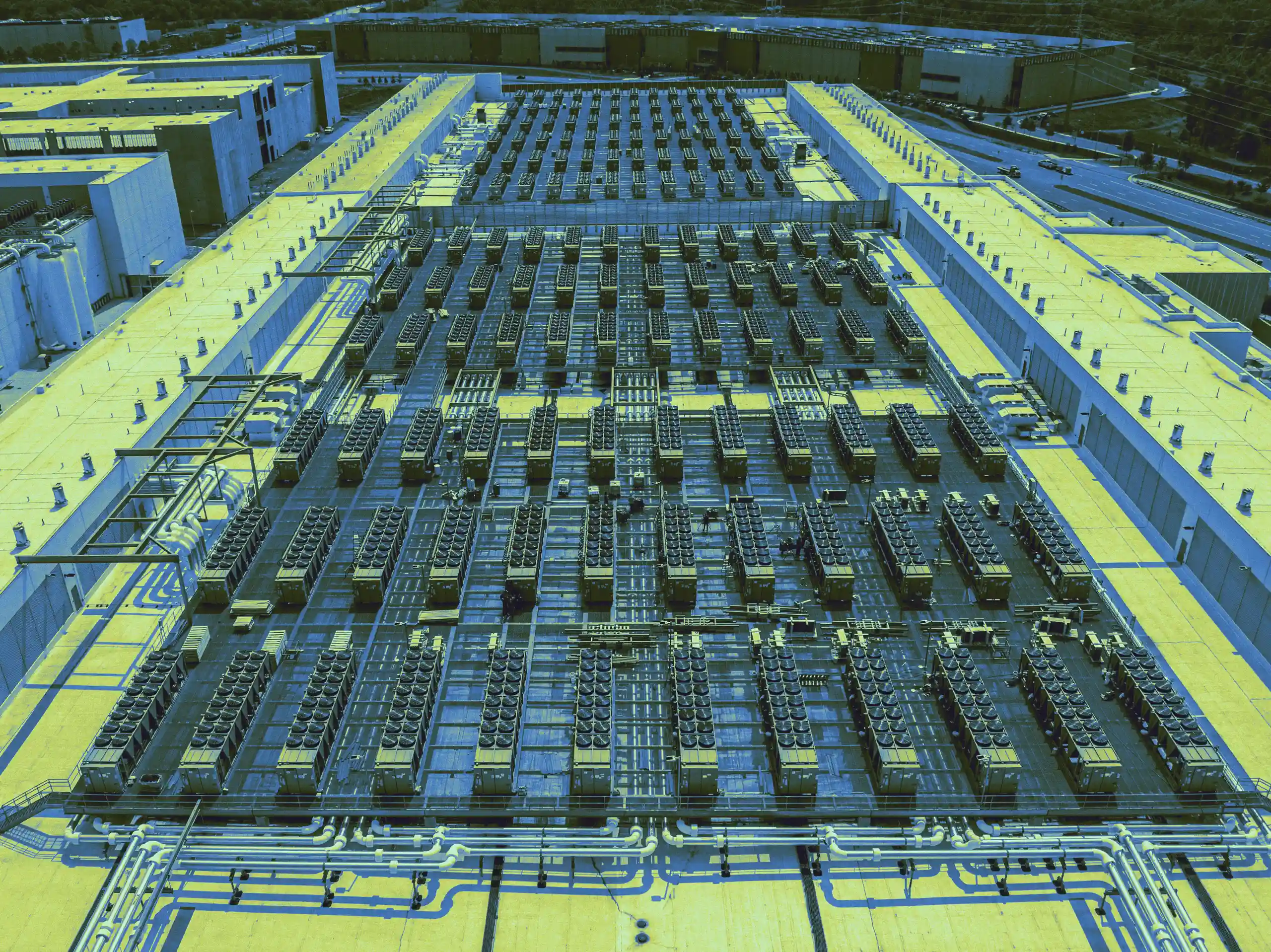
Protect Constituents from AI Harms
The significant resources (capital, energy, land, and water) going into data center expansion are being deployed in service of largely unproven artificial intelligence technologies—whose purported “productivity benefits” have yet to reach millions of consumers and workers across the country, and whose harmful effects are materially reshaping our institutions in ways that ratchet up inequality.
State policymakers are uniquely positioned to pass legislation protecting constituents from the worst AI abuses: Even as federal legislation has lagged, state legislatures have moved to enact measures to meet the moment.
State policymakers must see that AI regulation goes hand in hand with data center regulation to ensure that if data centers are built, they cannot do so in service of technology that harms people.
Bright-Line Rules That Restrict the Most Harmful AI Uses Wholesale
Bright-line rules that prohibit the most harmful use cases of AI send a clear message that the public determines whether, in what contexts, and how AI systems will be used. A growing list of ripe targets for these clear prohibitions include:
- AI cannot be used for emotion-detection systems.
- AI cannot be used for “social scoring,” i.e., scoring or ranking people based on their social behavior or predicted characteristics.
- Surveillance data cannot be used to set prices or wages.
- AI cannot be used to deny health insurance claims.
- Surveillance and monitoring data about workers cannot be sold to third-party vendors.
- AI cannot be used to replace public school teachers.
- AI cannot be used to generate sexually explicit deepfake imagery or election-related deepfake imagery.
- AI cannot be used for the grooming and sexual exploitation of minors.
- AI cannot be used for predictive policing.
- AI cannot be used for military applications.
- AI cannot be used to aid oil, gas, and coal extraction.
Regulate AI Throughout the Entire Life Cycle of Development
States should regulate AI throughout the entire life cycle of development, from how data is collected through the training process, to fine tuning and application development and deployment. Require AI companies to submit to independent third-party oversight and testing throughout the AI life cycle, and provide enforcement agencies with the resources and in-house staffing necessary to conduct oversight throughout the AI life cycle.
Fight Against Attempts to Block States from Regulating AI
Throughout 2025, the federal government repeatedly attempted to block states from passing laws regulating AI,1 most recently by threatening to put a provision limiting states’ ability to pass AI laws into the National Defense Authorization Act (NDAA), a defense spending bill.2 Legislators must continue to speak out against these attempts to block state authority to protect constituents.
- Cecilia Kang, “Defeat of a 10-Year Ban on State A.I. Laws Is a Blow to Tech Industry,” New York Times, July 1, 2025, https://www.nytimes.com/2025/07/01/us/politics/state-ai-laws.html. ↩︎
- Cristiano Lima-Strong, “It’s Back. Congress Gears Up for Year-End Fight Over Moratorium on AI Laws,” Tech Policy Press, November 18, 2025, https://www.techpolicy.press/its-back-congress-gears-up-for-yearend-fight-over-moratorium-on-ai-laws. ↩︎