About
The Need for Transformative, North Star Policy to Stop Rampant Data Center Expansion
This policy toolkit is primarily geared toward stopping, slowing, and restricting rampant data center development in the US at the local and state level. Our approach recognizes the extractive relationship between data centers and local communities: Hyperscale data centers deplete scarce natural resources, pollute local communities and increase the use of fossil fuels, raise energy costs for everyday ratepayers, pull tax dollars away from community needs, and fail to deliver on overpromised economic developments.
Hyperscale data centers primarily benefit the wealthiest corporations in the world, not our everyday digital lives. It doesn’t have to be this way.
Across the US and globally, communities are fighting back against the data center build-out in their backyards and regions. This resistance often starts as organic opposition to individual sites of data center development, expansion, or the build-out of associated energy infrastructure, channeled through public hearings and approval processes where those exist. In many places, public outcry builds upon or has catalyzed deep grassroots organizing, both to oppose specific developments and to more comprehensively change policies, laws, and the ways in which our regulatory systems operate.
As public awareness increases, a growing number of community groups and organizations are engaging in policymaking processes to demand more holistic protections. In our collaboration with local and state organizers, as well as in our conversations with policymakers, we found there is often a critical moment of opportunity in both site fights and long-term efforts for protective policy to be put in place or for transformative change to be made to existing laws and regulations. In these moments, it has not always been clear what to demand, since many of the existing or proposed regulations are highly specific to their jurisdiction or stop short of transformative policy.
This toolkit is intended to address this gap, to help organizers and policymakers identify the strongest possible actions. Recognizing that the North Star policy may not always be feasible, we also offer scaffolded protections that put people above corporate profits.
This work learns from and builds on many ongoing fights: Across Indiana, as of December 2025, at least 13 data centers have been rejected or withdrawn due to grassroots opposition, and Citizens Action Coalition has called for a statewide moratorium. In Tucson, Arizona, outcry against Amazon Web Services’ secretive Project Blue proposal created the popular will to push through a draft large-quantity water users ordinance, even as the developer’s continuation with the project over a city council rejection shows the need for more comprehensive protections. In Tennessee, Memphis Community Against Pollution is organizing against Elon Musk’s xAI supercomputer and its pollution of historically Black neighborhoods in Memphis, part of a legacy of decades of opposition to extractive fossil fuels and corporate environmental racism. Advocates in Louisiana, Texas, and New Mexico are mobilizing in defense of takeovers of their public utilities, including by private equity. Organizers in Virginia, Georgia, and other states facing years of data center build-out are fighting both to reject new developments and to pass comprehensive regulations.
As these efforts continue to multiply, we need holistic protections to ensure that restrictions on data centers in one locality don’t simply push these developments onto our neighbors, but build collective power to redirect the industry’s trajectory and the future of our public infrastructure, budgets, and environment.
Acknowledgements
- Authored by Kate Brennan and Alli Finn.
- With research support from Charlotte Yuan, Yasmine Chokrane, and Sylvie Binder.
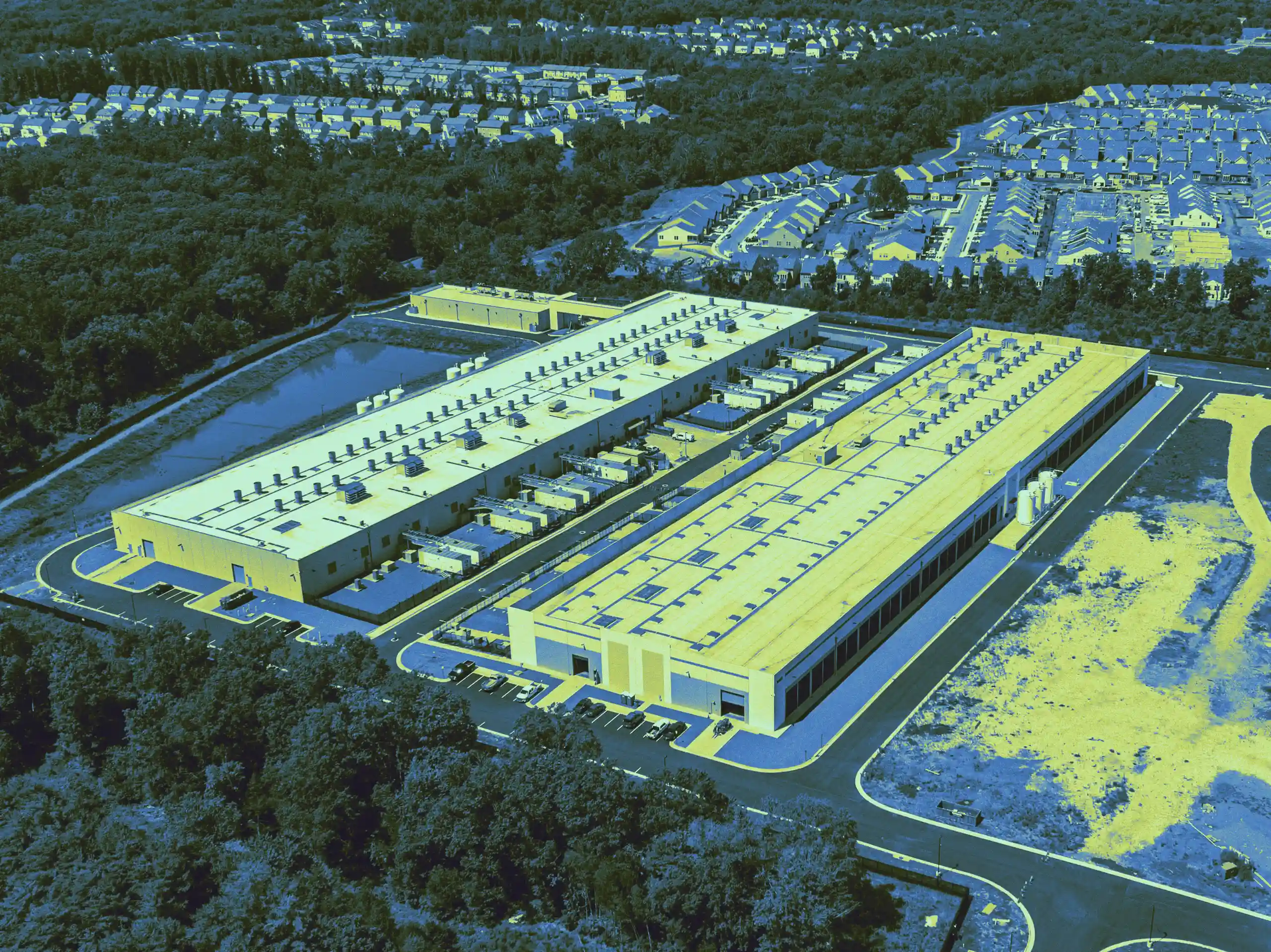
- Photos by Hugh Kenny, The Piedmont Environmental Council.
- Copyediting by Caren Litherland.
- Design by Partners & Partners.
Contributions and Feedback
The local and state policy recommendations were developed through consultation with dozens of community groups, organizers, technical experts, and policymakers, reflecting the experiences and needs of a wide range of constituencies. We would like to thank the following:
- Amy Adams, Southeast Climate & Energy Network
- Athena Coalition
- Center for Biological Diversity
- Connie Di Cicco, Georgia Conservation Voters
- Data & Society
- David M. Klaus
- Dee Parker, Mentorship Matters LLC
- Greg LeRoy, Good Jobs First
- Hannah Baker, Sierra Club Georgia Chapter
- Jenna Ruddock, Free Press
- Julie Bolthouse, Piedmont Environmental Council
- Kasia Tarczynska, Good Jobs First
- KD Minor, Alliance for Affordable Energy
- KeShaun Pearson, Memphis Community Against Pollution
- Leslie St Dre, Community Land and Power
- Local Progress
- Mark MacCarthy
- Michelle Wright, Climate Justice Alliance
- Michigan Environmental Justice Coalition
- Missouri Workers Center
- Myaisha Hayes, MediaJustice
- Nicole Sugerman, Kairos Action
- Paige Wesselink, Sierra Club Virginia Chapter
- Radical Futurist Lab
- Savannah Wilson
- Shannon Wait, Organizer and Policy Advisor
- Tristan Thomas, Alternatives for Community & Environment
- Tyson Slocum, Public Citizen, Inc.
We would like to thank the following individuals and organizations for their support in development of the federal recommendations.
- Significant contributions from Ariana Kretz, Vanessa Thomas, and Mar Zepeda, Climate Justice Alliance.
- Athena Coalition
- Bóxī Wú
- Camden Weber, Center for Biological Diversity
- Good Jobs First
- Hudson Kingston, CURE
- Jim Walsh, Food & Water Watch
- Marissa Paslick Gillett, American Economic Liberties Project
- Public Citizen
- Winston Yau, Climate and Community Institute
- Yosef Robele, WE ACT for Environmental Justice
We would also like to thank the dozens of additional participants in the national Data Center Working Group and Memphis data center organizer training hosted by MediaJustice and Memphis Community Against Pollution, who contributed their lived experience, organizing tactics, and deep insights to the creation of this toolkit.
Endorsements
A draft version of this toolkit was published on December 3, 2025 outlining local and state policy recommendations. That toolkit is available here. The policy recommendations in the December 3, 2025 North Star Policy toolkit were endorsed by the following organizations and community groups. This website resource expands upon the recommendations in the December 3, 2025 toolkit. While most of the recommendations remain the same, this website contains additional recommendations and examples that were not formally reviewed or endorsed by these organizations.